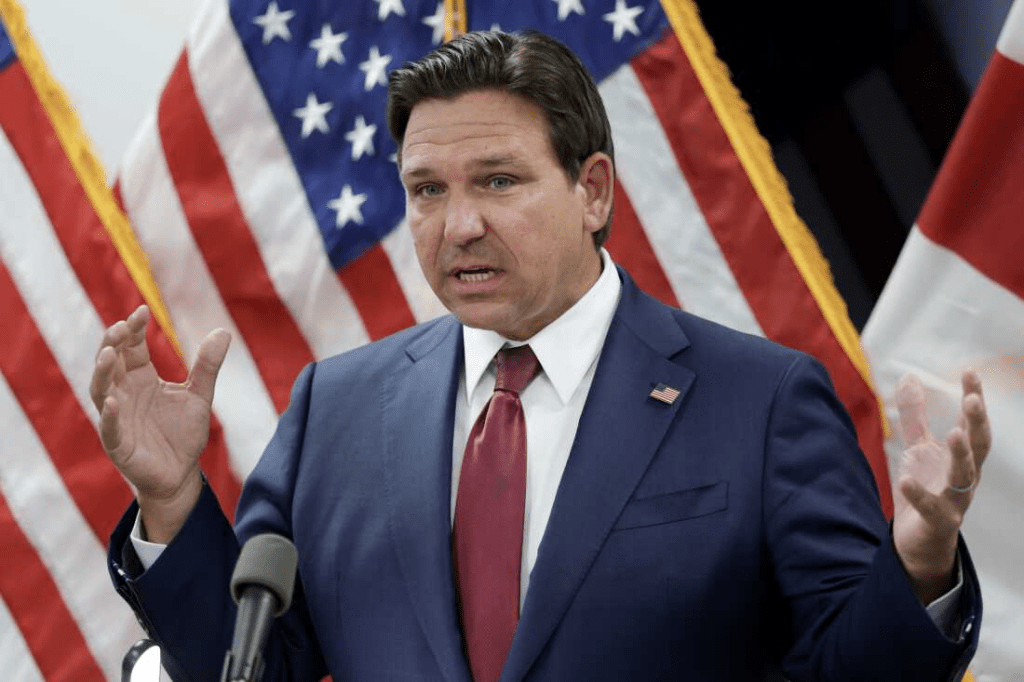
In June 2021, Florida Governor Ron DeSantis signed the “Fairness in Women’s Sports Act,” declaring, “In Florida, girls are going to play girls’ sports and boys are going to play boys’ sports.” The law, effective July 1, 2021, bars transgender females from competing on public school girls’ teams, requiring athletes to participate based on their biological sex as listed on birth certificates. As a journalist, I examine this policy, its impact, and the ongoing debate it fuels.
The legislation, backed by Florida’s GOP-led legislature, aims to ensure fairness by citing biological differences between males and females, arguing these create competitive advantages. Supporters, including DeSantis, emphasize protecting opportunities for female athletes, pointing to cases like Connecticut sprinter Terry Miller, where transgender athletes dominated girls’ events. The Florida High School Athletic Association’s 2024 bylaws, ratified in May 2025, further codified this stance, aligning with Trump’s Title IX enforcement against programs allowing male participation in women’s sports.
Critics, including the Human Rights Campaign, call the law discriminatory, arguing it marginalizes transgender youth and violates equal protection principles. They warn of economic fallout, citing North Carolina’s $3.8 billion loss over a similar “bathroom bill.” Democrats like Sen. Shevrin Jones labeled the bill’s signing on Pride Month’s first day as “cruel,” noting it could face legal challenges, as seen in Idaho’s blocked 2020 ban. The NCAA’s inclusive transgender policies add pressure, threatening to relocate events from non-compliant states.
As 25 states adopt similar bans and cultural battles rage—from immigration to Supreme Court ethics—Florida’s law reflects a broader push for traditional frameworks. In July 2025, the debate over sex-based sports divisions underscores America’s divide, balancing fairness against inclusion in the pursuit of athletic equity.