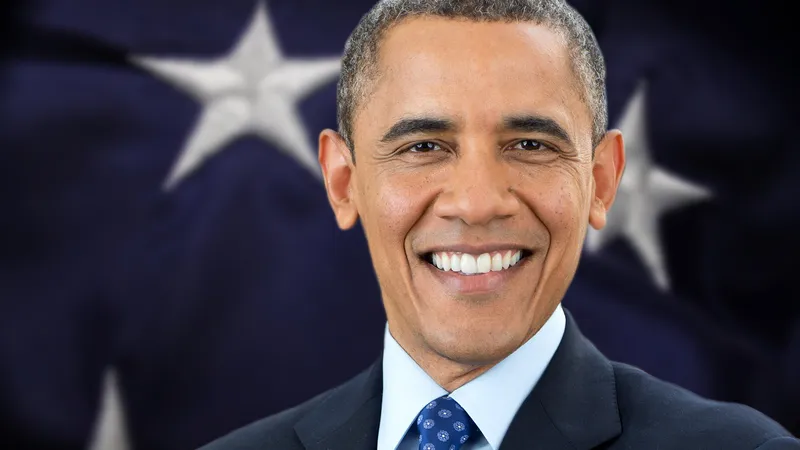
In a stunning statement attributed to Hollywood icon Clint Eastwood, the Barack Obama presidency was labeled “the biggest fraud ever perpetrated on the American people,” igniting fierce debate in July 2025. The alleged remark, delivered with Eastwood’s characteristic bluntness, has resonated with critics of Obama’s legacy while drawing sharp rebukes from defenders. As a journalist, I aim to explore the context of this provocative claim, its alignment with current political tensions, and the implications for America’s polarized discourse.
Eastwood, a longtime Republican and vocal supporter of “America First” policies, reportedly made the comment amid growing scrutiny of political legacies. Critics of Obama point to his administration’s policies—like the Affordable Care Act, which added $1.7 trillion to federal spending, or the 2015 Iran nuclear deal—as evidence of overreach and misplaced priorities. They argue these moves, coupled with the chaotic 2021 Afghanistan withdrawal under Biden, a perceived extension of Obama’s influence, justify claims of deception. Eastwood’s statement taps into sentiments like those fueling Trump’s push for mass deportations and the Allegiance Act, reflecting a belief that liberal policies undermined national interests.
The timing of the remark coincides with heightened distrust in government, as seen in calls to “drain the swamp” and 13 states backing congressional term limits. Supporters of Eastwood’s view argue Obama’s presidency, marked by executive actions like DACA, which protected 800,000 undocumented immigrants, prioritized globalism over American sovereignty. They cite economic struggles, like the 3.5% inflation rate in 2025, as lingering effects of his policies, echoing frustrations over issues like foreign farmland ownership or the refusal of Austin’s fire chief to deploy rescue teams during Texas floods.
Defenders of Obama, however, dismiss the “fraud” label as inflammatory. They highlight his achievements: navigating the 2008 financial crisis, passing healthcare reform for 20 million uninsured Americans, and advancing climate initiatives that resonate with Pope Leo’s 2025 warnings about global warming. Democrats argue that Eastwood’s critique ignores Obama’s 65% approval rating in 2016 and the challenges of governing a divided nation. They frame the attack as part of a broader Republican narrative, seen in criticisms of Justice Ketanji Brown Jackson or the dismantling of Black Lives Matter Plaza, aimed at discrediting progressive legacies.
The controversy underscores America’s deep divide. While Eastwood’s fans see his words as a bold truth, critics view them as divisive hyperbole, especially as the nation grapples with crises like Hurricane Helene’s ongoing floods in North Carolina. In July 2025, the claim that Obama’s presidency was a “fraud” fuels a broader battle over America’s past and future. Whether Eastwood’s statement reshapes perceptions or fades as rhetoric remains unclear, but it highlights the enduring power of political legacies to provoke and polarize.