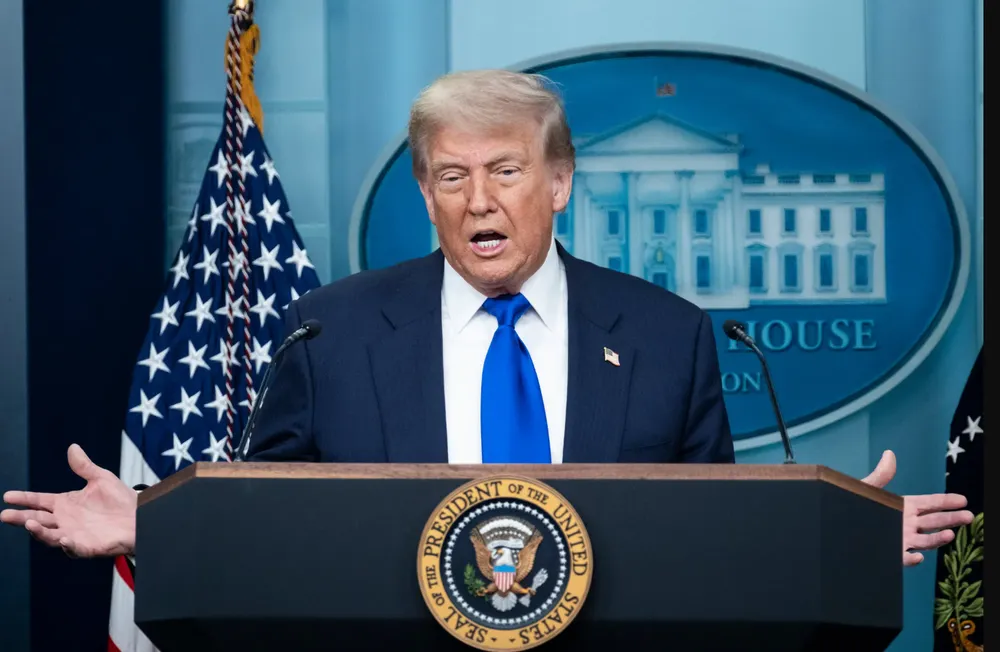
On July 8, 2025, the Trump administration unveiled the National Farm Security Action Plan, a sweeping initiative to safeguard American farmland from foreign adversaries, with a particular focus on China. Led by Agriculture Secretary Brooke Rollins, this multi-agency effort aims to protect the nation’s food supply, agricultural research, and rural communities from threats like land grabs and bioterrorism. As a journalist, I aim to explore the plan’s objectives, its implications for national security, and the challenges it faces amid America’s complex agricultural landscape.
The plan targets seven critical areas, with banning foreign adversaries—especially Chinese nationals—from purchasing U.S. farmland as its cornerstone. According to USDA data, China owns approximately 265,000 acres of U.S. agricultural land, a fraction of the 45.85 million acres held by foreign entities overall, but enough to raise alarms, particularly near military bases like Alabama’s Redstone Arsenal. Rollins, joined by Defense Secretary Pete Hegseth and Homeland Security Secretary Kristi Noem, emphasized that “American agriculture is not just about feeding our families, but about protecting our nation.” The plan also strengthens penalties under the Agricultural Foreign Investment Disclosure Act, cancels contracts with 700 foreign nationals from “countries of concern,” and aims to shield supply chains from vulnerabilities like cyberattacks.
Supporters, including Republican governors like Arkansas’ Sarah Huckabee Sanders, hail the plan as a national security imperative. Arkansas, the first state to force Chinese-owned Syngenta to divest 160 acres in 2023, exemplifies the state-level momentum behind these efforts. The administration cites incidents like the recent DOJ charges against Chinese nationals for smuggling a crop-destroying fungus as evidence of escalating threats. With 3.6 percent of U.S. farmland foreign-owned, leaders argue that protecting this “previous inheritance” is essential to prevent adversaries from weaponizing America’s agricultural backbone.
Critics, however, raise concerns about overreach. The American Civil Liberties Union warns that the plan could unfairly target legal residents, risking discrimination. Chinese officials, including spokesperson Mao Ning, argue it violates international trade norms, potentially destabilizing economic ties. Alabama’s agricultural economy, where foreign entities own 6.2 percent of farmland (none by China), relies on global investment, and restrictions could deter legitimate business. The plan’s push for automation and “100% American participation” in farm labor, as Rollins stated, also clashes with the sector’s dependence on migrant workers, especially as ICE arrests surge.
The National Farm Security Action Plan signals Trump’s commitment to an “America First” agenda, but its success hinges on execution. Balancing robust enforcement with economic realities will be critical, especially in states like Alabama, where agriculture drives prosperity. As the administration moves to “claw back” land and fortify food security, the nation watches: will this bold strategy secure America’s heartland or ignite new tensions?