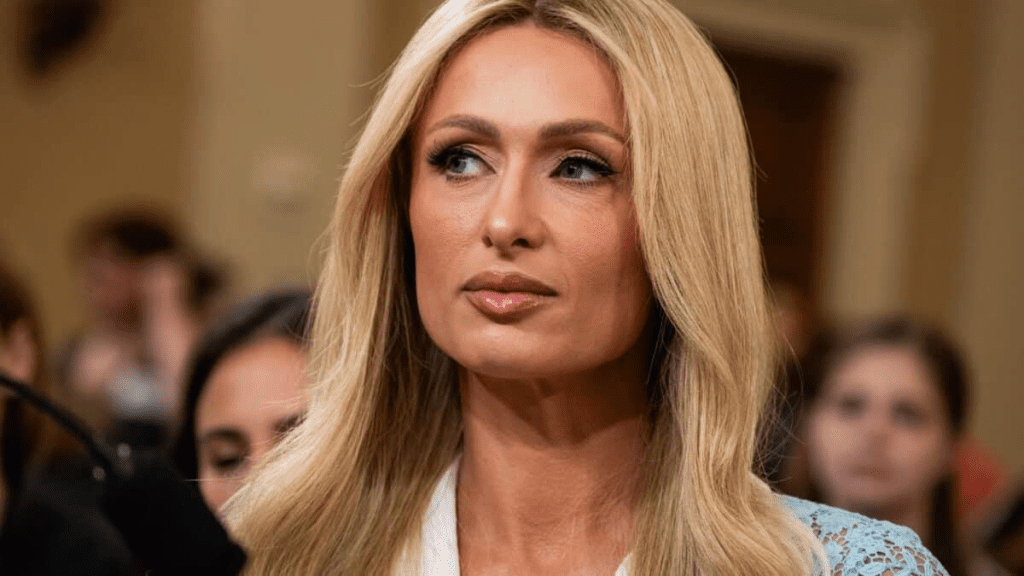
In November 2018, Paris Hilton, the heiress and media personality, made headlines for her charitable efforts in Mexico, donating $338,993 to aid survivors of the devastating 2017 Puebla earthquake. The 7.1-magnitude quake, which killed 370 people and injured over 6,000, left countless families homeless in areas like San Gregorio, near Mexico City. Hilton’s visit to the reconstruction sites was meant to spotlight her philanthropy, but an awkward moment—kissing a woman’s belly she mistakenly thought was pregnant—stole much of the attention, sparking both criticism and viral memes.
Hilton’s donation, aimed at rebuilding seven homes, was part of her ongoing charitable work with groups like Un Kilo de Ayuda, which supports children in crisis. She arrived in Xochimilco flanked by security, handing out branded merchandise, including her signature perfumes and cushions emblazoned with a crowned “P.” The gesture, while generous, drew mixed reactions. Some praised her for using her wealth—estimated at $300 million—to help those in need, noting her earlier 2017 visit where she distributed blankets, toys, and food. Others saw the branded gifts as self-promotional, arguing they detracted from the survivors’ plight.
The belly-kissing incident, captured by cameras, became the focal point of controversy. During her visit, Hilton knelt to kiss a woman’s stomach, believing her to be pregnant, a gesture intended as a blessing for the baby. Reports later suggested the woman was not pregnant, leading to widespread cringe and accusations of cultural insensitivity. Critics labeled the act a “white savior” moment, arguing Hilton’s photo-op-heavy approach exploited survivors for her brand. Defenders, however, noted the lack of definitive proof the woman wasn’t pregnant and emphasized Hilton’s substantial financial contribution.
The episode highlights the complex dynamics of celebrity philanthropy. Hilton’s actions—donating a significant sum while posing for photos—reflect a pattern seen among high-profile figures, where goodwill often intertwines with publicity. Her supporters argue she brought global attention to a struggling community, with the funds helping rebuild homes for families in temporary housing. Detractors counter that her merchandise and poses, like flashing peace signs, overshadowed the human toll of the disaster, which left San Gregorio’s residents grappling with loss long after the cameras left.
Hilton’s 2018 visit remains a polarizing moment. Her donation undeniably aided reconstruction, yet the belly-kissing gaffe, amplified by viral images, cemented a narrative of tone-deaf privilege for some. It underscores a broader truth: even well-intentioned acts can misfire when cultural context is overlooked. As Mexico City continues to recover, the story serves as a reminder that philanthropy’s impact hinges not just on dollars but on sensitivity to those it aims to help.