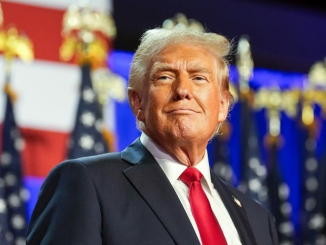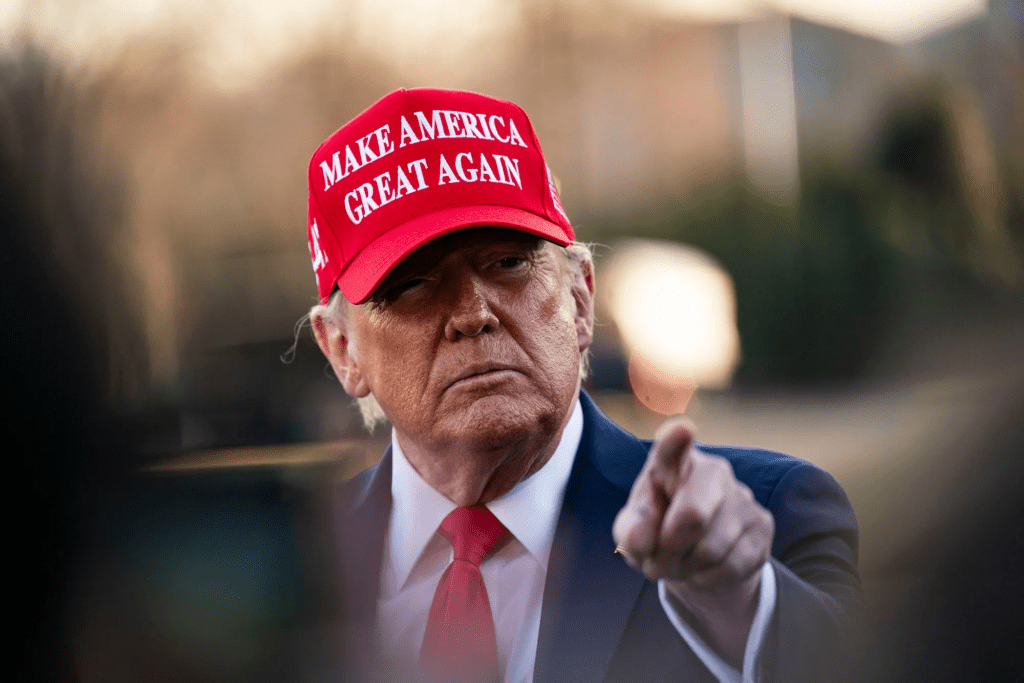
The stock market’s wild ride under President Donald Trump’s second term has sparked a peculiar paradox in public discourse. When markets crash, critics pin the blame squarely on his policies, accusing him of reckless deregulation and erratic leadership. Yet, when the Dow or Nasdaq hit record highs, as they did in late June 2025, those same critics pivot, claiming he’s merely padding the pockets of billionaires. The contradictory narratives—Trump as the destroyer of wealth or the enabler of elite greed—reveal a deeper truth: the market’s ups and downs are shaped by complex forces, and simplistic finger-pointing serves no one.
Let’s unpack the crash narrative first. When the S&P 500 plummeted 8% in March 2025, pundits were quick to lambast Trump’s economic agenda. His administration’s push to slash federal spending, including cuts to agencies like the SEC, fueled fears of weakened oversight. Tariff threats against China and the EU rattled global trade, sending tech and manufacturing stocks into a tailspin. Critics argued that Trump’s “America First” policies, combined with his unpredictable rhetoric, spooked investors and triggered the sell-off. The narrative was clear: his leadership destabilized markets, leaving everyday investors to bear the cost.
Fast forward to June 2025, when the Dow soared past 42,000, and the tone shifted. Suddenly, the same policies credited with causing chaos were accused of fueling a billionaire bonanza. Corporate tax cuts, a cornerstone of Trump’s economic plan, were said to disproportionately benefit the ultra-wealthy, boosting stock prices for companies like Tesla and Apple while leaving Main Street behind. Rising wealth inequality—evidenced by the top 1% owning 32% of U.S. wealth, per Federal Reserve data—became a rallying cry. Critics claimed the market’s highs were a mirage, driven by corporate stock buybacks and speculative fervor rather than broad economic gains. Trump, they argued, was rigging the system for his billionaire allies.
So, which is it? The reality lies in the messy middle. Markets are influenced by countless factors—global supply chains, Federal Reserve policies, geopolitical tensions—not just the occupant of the White House. Trump’s deregulation, like easing Dodd-Frank restrictions, has undeniably boosted corporate confidence, driving gains in sectors like energy and finance. The S&P 500’s 15% year-to-date rise by July 2025 reflects this optimism. But those same policies amplify volatility; the March crash coincided with fears of a trade war, a direct consequence of Trump’s tariff threats. Blaming him for every dip ignores external pressures, like China’s economic slowdown or rising interest rates, just as crediting him for every peak overlooks the Fed’s role in stabilizing markets.
The billionaire critique also oversimplifies. Market highs do benefit the wealthy, who hold 89% of corporate stock, according to the Center for American Progress. But they also lift 401(k)s and pensions for millions of middle-class Americans—over 60% of households own some form of stock, per Gallup. Dismissing rallies as elite windfalls ignores this broader impact. Conversely, crashes don’t just hurt the rich; they wipe out retirement savings and job prospects for workers. Painting Trump as the sole architect of either outcome flattens a complex economic reality into a convenient political cudgel.
This narrative tug-of-war reflects a deeper issue: polarization distorts how we assess leadership. Trump’s supporters see market highs as proof of his economic genius, while detractors view them as evidence of cronyism. Both sides cherry-pick data to fit their story, ignoring that presidents don’t control markets—they influence them, often indirectly. The 2008 crash wasn’t solely Bush’s fault, nor was the 2020 recovery entirely Trump’s doing. Global trends, from AI-driven tech booms to supply chain disruptions, play a massive role.The lesson? Markets are not a morality play. They don’t neatly align with one administration’s successes or failures. Trump’s policies—tax cuts, deregulation, tariffs—have fueled both growth and instability, but they’re not the whole story. Instead of picking a narrative to vilify or vindicate, Americans deserve a clearer-eyed view: markets reflect a chaotic interplay of forces, and no single leader is their puppet master. As the 2026 midterms loom, voters should demand analysis over slogans, lest they be swayed by whichever story shouts loudest.