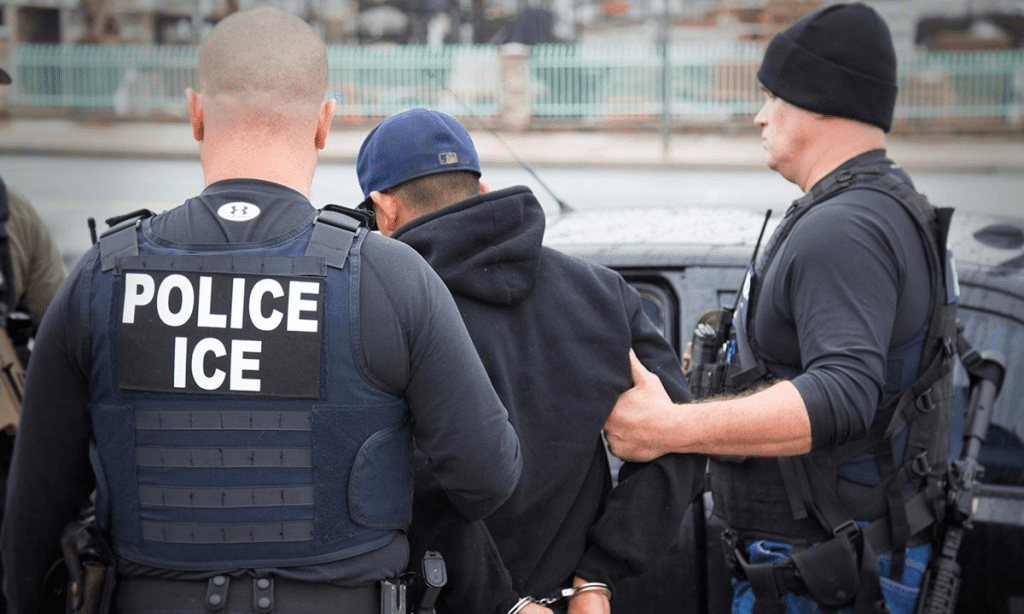
A recent Immigration and Customs Enforcement (ICE) operation in North Carolina has resulted in the arrest of 30 undocumented immigrants, with many facing charges for serious crimes, including aggravated identity theft. The targeted worksite raid, conducted in early July 2025, has reignited demands from supporters of strict immigration enforcement to expand such operations to every state. As the Trump administration intensifies its deportation agenda, the North Carolina sweep highlights both the aggressive tactics of federal authorities and the growing tensions over immigration policy across the nation.
The operation, carried out in collaboration with federal agencies like the FBI and the Bureau of Alcohol, Tobacco, Firearms and Explosives, focused on workplaces suspected of employing undocumented labor. ICE officials reported that the 30 individuals arrested were involved in an ongoing investigation into federal crimes, with several facing felony charges such as identity theft—a crime often linked to the use of stolen Social Security numbers for employment. The sweep also uncovered numerous documents, suggesting a broader probe into illegal hiring practices. While ICE did not disclose specific locations or employer details, the operation has heightened fears in North Carolina’s immigrant communities, particularly in areas like Charlotte, where one-third of the state’s 315,000 undocumented immigrants reside.
Supporters of the raid argue it’s a necessary step toward restoring law and order. They point to the felony charges as evidence that undocumented immigrants pose a threat to public safety, echoing President Trump’s campaign pledge to prioritize deportations of “criminal aliens.” The administration has already reported 32,809 enforcement arrests nationwide in its first 50 days, surpassing the total for all of 2024. In North Carolina, where state laws like House Bill 10 and House Bill 318 mandate sheriff cooperation with ICE, advocates see the raid as a model for nationwide enforcement. They argue that expanding such operations to every state would deter illegal immigration, protect American jobs, and dismantle networks exploiting stolen identities.
Critics, however, warn that the sweep is part of a broader, indiscriminate crackdown that tears apart communities and fuels fear. Immigrant advocacy groups like Siembra NC report a surge in hotline calls—over 300 in the two weeks following Trump’s inauguration—from families seeking legal help or reporting rumored ICE activity. The operation’s focus on worksites, they argue, targets hardworking immigrants who fill critical roles in industries like agriculture and construction. Data from the Transactional Records Access Clearinghouse shows that 71.7% of ICE detainees as of June 2025 had no criminal record, raising concerns that non-criminals are being swept up in the raids. Critics also point to the economic cost, with mass deportations potentially slashing $130 billion from GDP, according to the Brookings Institution.
North Carolina’s history with ICE enforcement adds context to the debate. The state has been a focal point for immigration crackdowns, with laws requiring sheriffs to honor ICE detainers and collaborate with federal agents. In Charlotte, Sheriff Garry McFadden has criticized ICE for not coordinating with local law enforcement, arguing that unannounced raids strain community trust. Meanwhile, Republican lawmakers, including Senators Thom Tillis and Ted Budd, are pushing bills like the Justice for Victims of Sanctuary Cities Act, which would allow lawsuits against jurisdictions that resist ICE cooperation. These measures reflect North Carolina’s role as a testing ground for aggressive immigration policies.
The call to expand raids nationwide faces logistical and legal hurdles. ICE’s workforce of 21,000 is already stretched, with detention facilities holding 56,397 people as of June 2025. Scaling up operations would require significant funding and coordination, potentially involving the National Guard, as floated by the administration. Legal challenges are also mounting, with groups like the ACLU arguing that mass arrests violate due process, especially when targeting sensitive locations like schools or workplaces. A recent federal ruling halting Trump’s attempt to end birthright citizenship signals that courts may constrain his broader immigration agenda.
As the North Carolina raid reverberates, it encapsulates the nation’s divide over immigration. For some, it’s a triumph of enforcement, targeting felons and upholding the law. For others, it’s a chilling escalation that disrupts families and economies. With the administration vowing to deport millions, the push to replicate North Carolina’s sweep in every state will test America’s values, resources, and resolve. Whether these operations expand or falter, their impact on communities and the national debate is undeniable.