In a striking statement that has captured national attention, a coalition of women’s advocacy groups declared the 4th of July “canceled” in 2025, citing a “shortage of independence” for women in America. The provocative message, delivered through a viral open letter signed “Sincerely, Women,” points to recent policy shifts—particularly the defunding of Planned Parenthood and tightened reproductive rights—as evidence of eroding personal freedoms. While the declaration is symbolic, it underscores a growing frustration among women who feel their autonomy is under siege, sparking a heated debate about the state of independence in the nation.
The letter, circulated widely online, argues that the 4th of July, a holiday celebrating American liberty, rings hollow when women’s bodily autonomy faces increasing restrictions. The defunding of Planned Parenthood, a key provider of reproductive healthcare, is a central grievance. The Trump administration’s decision to redirect federal funds to community health centers, which often lack the capacity to offer comprehensive reproductive services, has left millions of women—particularly those in low-income and rural areas—without access to contraception, cancer screenings, and STI testing. The letter contends that these cuts, coupled with state-level abortion bans upheld by a conservative Supreme Court, have stripped women of the independence to make decisions about their own bodies.
Beyond healthcare, the coalition highlights broader systemic issues. Wage gaps persist, with women earning 82 cents for every dollar earned by men in 2024, according to the Bureau of Labor Statistics. Workplace protections, such as paid family leave, remain inconsistent, with only 27% of private-sector workers having access. The letter also points to rising maternal mortality rates, particularly among Black women, who face a death rate three times higher than their white counterparts. These disparities, the advocates argue, reflect a nation failing to uphold the promise of equality and freedom for all its citizens, making celebrations of independence feel disingenuous.
Supporters of the administration’s policies counter that the defunding of Planned Parenthood aligns with pro-life values and fiscal responsibility. They argue that federal funds should not support an organization tied to abortion, even indirectly, and that alternative clinics can meet women’s healthcare needs. On the broader issue of independence, they point to economic gains under Trump, including low unemployment rates for women (3.4% in June 2025) and tax cuts on tips and overtime pay, as evidence of expanded opportunities. For these defenders, the 4th of July remains a celebration of national strength, not a platform for grievance.
Critics of the “cancellation” declaration, however, argue it risks alienating Americans by politicizing a unifying holiday. Some conservative commentators have called it divisive, accusing the coalition of undermining patriotism to push a partisan agenda. Yet the women behind the letter insist their message is not about rejecting America but demanding it live up to its ideals. They draw parallels to historical protests, like the women’s suffrage movement, which also challenged the nation to expand its definition of liberty. By “canceling” the 4th, they aim to provoke reflection on what independence means when half the population feels their rights are curtailed.
The declaration has already spurred action. Protests are planned in cities like Chicago, Atlanta, and San Francisco on July 4, with organizers calling for restored funding for women’s healthcare and federal protections for reproductive rights. Legal challenges to the Planned Parenthood defunding are pending, with the ACLU arguing it violates equal protection clauses. Meanwhile, the administration shows no signs of backing down, with plans to further restrict abortion access through executive actions. The clash sets the stage for a contentious summer, with women’s autonomy at the heart of the 2026 midterm campaigns.
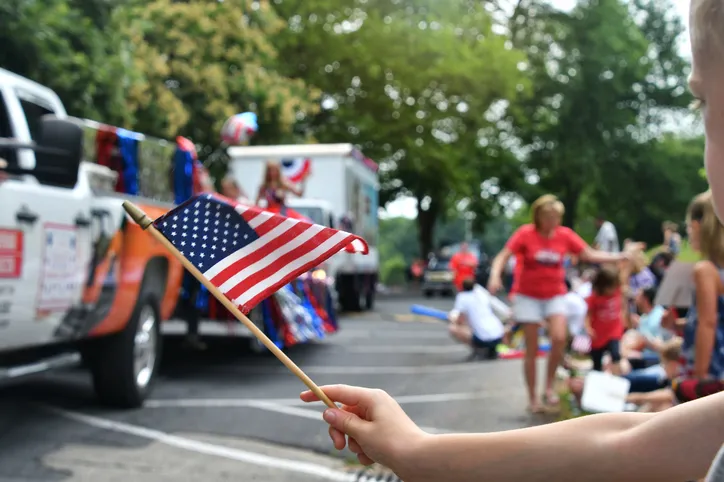
As fireworks displays are prepared and barbecues planned, the “cancellation” of the 4th of July resonates as a cry for recognition. For many women, the holiday’s promise of freedom feels incomplete without control over their bodies and futures. Whether this bold statement galvanizes change or deepens division, it has forced the nation to confront an uncomfortable question: can America celebrate independence when so many feel their liberties are slipping away? The answer, as the coalition’s letter suggests, may determine whether the 4th of July remains a universal celebration or a contested symbol in a fractured nation.