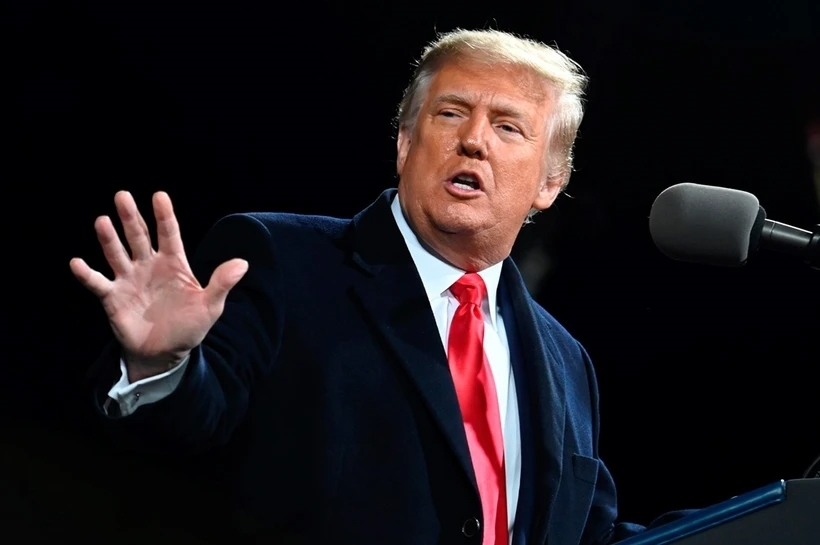
On June 26, 2025, President Donald Trump announced plans to prosecute Democrats he accuses of leaking classified intelligence about U.S. airstrikes on Iranian nuclear facilities to CNN and The New York Times. In a fiery Truth Social post, Trump claimed the leaks, which contradicted his assertion that the strikes “obliterated” Iran’s nuclear program, were orchestrated by Democrats and warranted legal action. The announcement, echoed during a Fox News interview with Maria Bartiromo on June 29, has intensified tensions over national security, press freedom, and political accountability, as the administration ramps up its war on leaks amid a broader push for control.The controversy centers on a Defense Intelligence Agency (DIA) report, labeled “low confidence,” which suggested the June 22 strikes on Iran’s Natanz, Fordow, and Esfahan nuclear sites set back Tehran’s nuclear program by only a few months, not years as Trump claimed. CNN and The New York Times reported the assessment, citing sources familiar with the document shared on CAPNET, a system for Congress. Trump, furious over the disclosures, labeled the outlets “fake news” and threatened lawsuits, with his attorney, Alejandro Brito, demanding retractions for “defamatory” and “unpatriotic” reporting. The administration, including Defense Secretary Pete Hegseth, insists the strikes were highly effective, with Hegseth confirming a criminal probe into the leak at a NATO summit.Trump’s call for prosecution targets unnamed Democrats, with no specific evidence provided to tie lawmakers or staff to the leak. The FBI, supported by Director of National Intelligence Tulsi Gabbard, is investigating, with plans to limit CAPNET access to curb future disclosures. White House Press Secretary Karoline Leavitt emphasized the need to hold leakers accountable, arguing that sharing classified information undermines national security. The administration’s stance aligns with its broader crackdown, including Gabbard’s April referral of two intelligence leakers to the Justice Department and the removal of three Hegseth aides over separate leaks.Supporters of Trump’s position argue that leaks of sensitive military assessments embolden adversaries like Iran, which reportedly moved uranium stockpiles before the strikes. A 2025 Rasmussen Reports poll shows 65% of Republicans believe leakers should face prosecution, reflecting the base’s frustration with perceived “Deep State” interference. Figures like Secretary of State Marco Rubio have dismissed the DIA report as incomplete, aligning with Trump’s narrative of a “perfect flight” that dealt significant blows to Iran’s nuclear ambitions. The administration’s push to restrict intelligence sharing with Congress, as reported by Axios, aims to prevent future leaks but has sparked accusations of overreach.Critics, including Senate Minority Leader Chuck Schumer and Deputy Whip Dick Durbin, condemn Trump’s threats as an attempt to suppress oversight and silence the press. Democrats argue that the DIA report, shared with Congress, was meant for internal review, and its leak highlights legitimate concerns about the strikes’ efficacy. The Washington Post reported intercepted Iranian communications suggesting the attacks were “less devastating” than anticipated, further challenging Trump’s claims. Legal experts note that prosecuting leakers is complex, as the Espionage Act requires proof of intent to harm national security, and journalists are protected under the First Amendment, though Trump suggested pressuring reporters to reveal sources.The administration’s aggressive stance raises broader concerns about press freedom and congressional access to intelligence. The New York Times and CNN have defended their reporting, with Times attorney David McCraw stating, “No retraction is needed. We told the truth.” The Justice Department’s reversal of a Biden-era policy limiting reporter data seizures signals a tougher approach, reminiscent of Trump’s first-term subpoenas targeting House Intelligence Committee members like Adam Schiff. Democrats warn that restricting CAPNET could hinder oversight, with Representative Andre Carson calling it “punitive and partisan.”As the FBI’s investigation unfolds, Trump’s push to prosecute leakers underscores his administration’s focus on controlling narratives, from immigration to foreign policy. With 94% of his 2024 voters standing firm, per a June 2025 poll, the move galvanizes his base but risks alienating moderates wary of attacks on free speech. The debate, fueled by conflicting intelligence and partisan rhetoric, highlights the delicate balance between national security and transparency, setting the stage for legal battles and political fallout as the 2026 midterms loom.