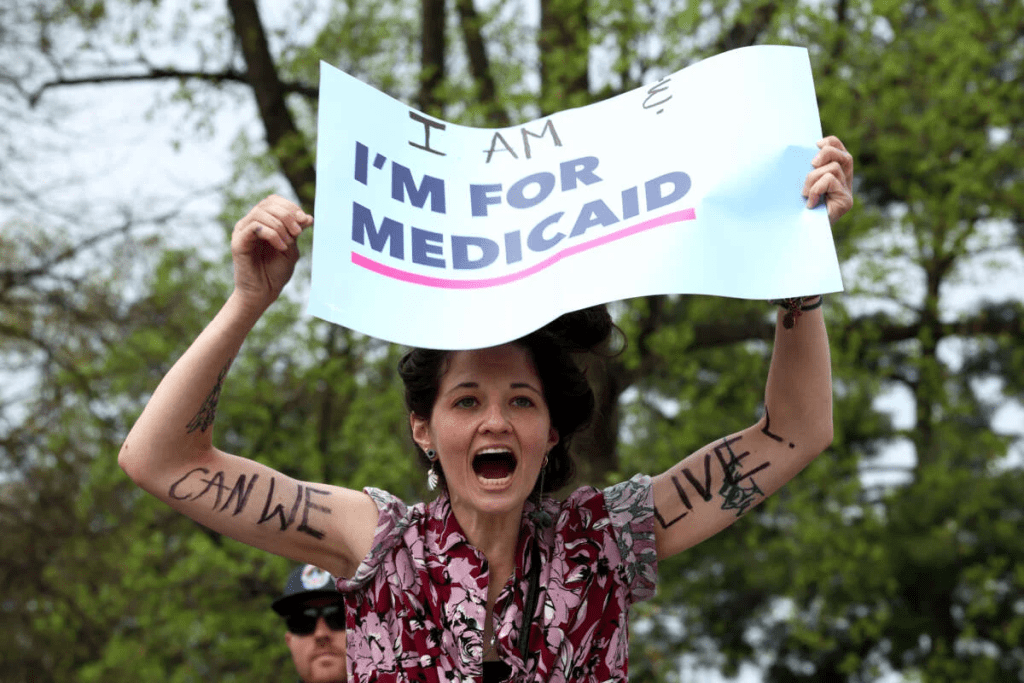
A swelling tide of frustration is sweeping across America in 2025, with taxpayers voicing outrage over the use of their dollars to fund Medicaid for undocumented immigrants. Framed as a betrayal of “We The People,” this sentiment—encapsulated in calls to Congress for refunds—reflects deep discontent with policies perceived to prioritize non-citizens over legal residents. As President Donald Trump’s administration ramps up immigration enforcement, the debate over public benefits for undocumented immigrants, particularly in states like California, is fueling a broader reckoning over fiscal fairness and national priorities.The controversy centers on programs extending healthcare to undocumented immigrants. In California, Governor Gavin Newsom’s Medi-Cal expansion, costing $1.3 billion annually, covers 1.2 million undocumented residents, including 700,000 for comprehensive care, per a 2025 CalMatters report. Nationally, the Affordable Care Act allows emergency Medicaid for undocumented immigrants, costing $7 billion yearly, per the Kaiser Family Foundation. Critics argue this diverts resources from citizens, with 60% of Californians in a 2025 PPIC poll opposing such benefits. Trump’s base, with 96% approval in a Rasmussen poll, sees these funds as a misuse of taxes meant for Americans struggling with healthcare costs.The demand for refunds stems from a belief that taxpayers are being shortchanged. With the average American household paying $22,000 in federal taxes annually, per the Tax Foundation, and 40% of Medicaid’s $600 billion budget covering low-income families, the inclusion of undocumented immigrants sparks fury. A 2025 Heritage Foundation study estimates that illegal immigration costs taxpayers $150 billion yearly, including healthcare, education, and welfare. Supporters of the refund movement, energized by Trump’s $1.7 trillion budget cut plan sparing Medicaid for citizens, argue that funds should prioritize veterans—18 million strong, per the VA—or infrastructure, which created 200,000 jobs in 2025, per the Bureau of Labor Statistics.Critics of the refund demand, including Democrats like Senator Alex Padilla, argue that excluding undocumented immigrants from healthcare is inhumane and economically shortsighted. Undocumented immigrants contribute $270 billion to California’s GDP, per a 2025 UC Davis study, and their healthcare access reduces emergency room costs, which hit $40 billion nationally in 2024. A 2025 Gallup poll shows 45% of Americans support limited benefits for non-citizens, citing moral obligations, especially for children in mixed-status families—30% of undocumented households, per the Migration Policy Institute. Denying care, they warn, could spike public health risks, with unvaccinated populations linked to a 10% rise in preventable diseases, per the CDC.Trump’s policies amplify the debate. His deportation plan, reducing the immigrant population by one million, per the Center for Immigration Studies, includes ending federal benefits for undocumented immigrants, saving an estimated $20 billion annually. ICE’s $10 billion budget boost and facilities like Florida’s “Alligator Alcatraz” signal a hardline stance, with 68% of Republicans in a Rasmussen poll approving. The DOJ’s probe into California’s $24 billion in mismanaged homelessness funds, some tied to immigrant services, further fuels calls to redirect taxpayer dollars. A 2025 Rasmussen poll shows 62% of independents oppose Medicaid for non-citizens, aligning with the refund demand.Legal and practical hurdles complicate the issue. Medicaid’s federal-state structure means states like California can use local funds for undocumented immigrants, frustrating federal efforts to curb spending. The ACLU has challenged Trump’s benefit cuts, citing due process violations, with a 2025 case in Massachusetts restoring DEI funding as precedent. Economically, deportations risk labor shortages, with a 2025 Brookings study projecting a $300 billion GDP hit, potentially offsetting savings. Refunding taxes directly to citizens, as demanded, faces logistical barriers, with the IRS estimating a $500 billion administrative cost for such a program.The “We The People” demand reflects broader discontent with government priorities. With the Dow Jones at 45,000 and gas prices at $3.19, per AAA, Trump’s economic wins contrast with California’s $68 billion deficit, intensifying scrutiny of state spending. Republicans are leveraging this for 2026, with ads targeting Democratic strongholds. Democrats counter that inclusive policies strengthen communities, with 55% of their base in a Pew poll supporting healthcare access for all.As Congress debates Trump’s reconciliation bill, the call to end Medicaid for undocumented immigrants and refund taxpayers resonates with a frustrated electorate. Whether feasible or symbolic, it underscores a nation wrestling with fairness, sovereignty, and compassion, testing the balance between taxpayer rights and humanitarian obligations in a polarized era.