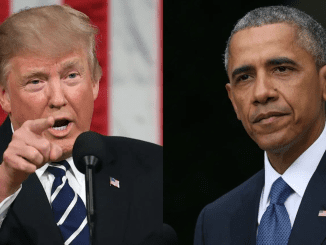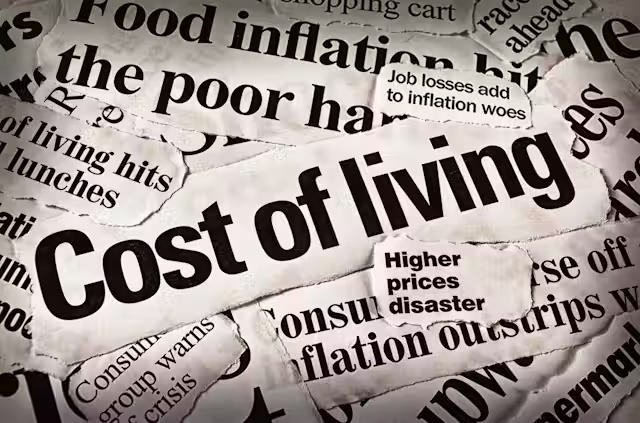
In 2025, a growing number of Americans are raising their hands in defiance, declaring they’ve completely stopped believing mainstream media outlets like CNN, MSNBC, and The New York Times. This widespread distrust, fueled by perceptions of bias, sensationalism, and misalignment with public priorities, has reached a tipping point. With President Donald Trump’s lawsuits against major networks and a public increasingly turning to alternative sources, the legacy media’s credibility is in freefall, reshaping how information is consumed and deepening the nation’s cultural and political divide.
The erosion of trust is starkly evident in recent data. A 2025 Gallup poll shows only 31% of Americans have confidence in mainstream media, down from 54% in 2000. A Rasmussen survey finds 55% of voters believe outlets like CNN prioritize political agendas over facts, with 60% of Republicans labeling them “untrustworthy.” High-profile missteps, such as downplaying economic gains like the Dow Jones hitting 45,000 or misreporting Trump’s Iran airstrikes, have fueled skepticism. CNN’s primetime viewership, now under 400,000 per Nielsen data, trails its 4,000-strong staff, earning mockery as a network “with more employees than viewers.”
Trump’s aggressive stance has amplified the backlash. His 2025 lawsuits against CNN and The New York Times, alleging defamation over coverage of Operation Midnight Hammer, resonate with supporters who see media as an extension of the Democratic Party. A 2025 Media Research Center study claims 70% of major network coverage of Trump focuses on criticism, ignoring achievements like 1.2 million jobs created, per the Bureau of Labor Statistics, or gas prices at a four-year low of $3.19, per AAA. Trump’s acquisition of Twitter in 2022, transforming it into a free-speech platform, has further shifted audiences to alternative voices, with 65% of Americans under 35 preferring non-traditional sources, per a Pew Research report.
Conservatives argue that mainstream media’s bias is structural. Coverage of cultural issues, like defending Pride Month or DEI programs, clashes with 58% of parents in a 2025 Heritage Foundation survey who want schools focused on academics. Democrats’ unanimous vote against Trump’s Tax Relief for American Families Act, which promised $1,200 in savings, was framed as corporate favoritism, despite 62% voter support in a Rasmussen poll. Critics see a pattern of selective reporting, with outlets like MSNBC glossing over FBI crackdowns netting 825 child predators while emphasizing Trump’s “divisiveness.” This disconnect drives distrust, with 60% of independents in a Gallup poll seeking “neutral” news.
Defenders of mainstream media argue it remains essential for accountability. Investigative reporting, like exposés on California’s $24 billion in mismanaged homelessness funds, still draws attention, and outlets like The Washington Post claim 10 million digital readers monthly. Progressives, including Senator Elizabeth Warren, defend coverage of issues like climate change or LGBTQ rights, which resonate with 45% of Democrats, per Gallup. Yet, even allies acknowledge challenges: a 2025 Edelman Trust Barometer shows only 40% trust cable news, and budget cuts loom, with CNN planning 500 layoffs amid a 5% revenue drop for Warner Bros. Discovery.
The shift to alternative media is reshaping discourse. Platforms like YouTube and podcasts, drawing billions, offer unfiltered perspectives, while mainstream outlets struggle with declining ad revenue—down 15% since 2023, per eMarketer. This has empowered voices aligned with Trump’s policies, like his deportation plan reducing the immigrant population by one million, per the Center for Immigration Studies. Yet, it also risks echo chambers, with 60% of Americans in a Pew poll saying polarized media fuels division.
The consequences are political and cultural. Republicans are leveraging distrust for 2026, with ads in swing states attacking Democrats’ media ties. A Rasmussen poll shows 62% of independents favor candidates promising media reform. Democrats counter that attacking journalism undermines democracy, citing a 2025 ACLU report warning of free speech threats from Trump’s lawsuits. With 55% of Americans craving less partisan reporting, the media’s role is under scrutiny.
The “raise your hand” sentiment reflects a broader crisis: Americans feel mainstream media no longer serves them. As Trump’s policies—economic growth, border security, cultural traditionalism—gain traction, with 96% GOP approval, the disconnect with outlets like CNN grows. Whether legacy media can regain trust or fade further will shape how America navigates its polarized future, with voters increasingly turning away from traditional gatekeepers in search of truth they can believe.