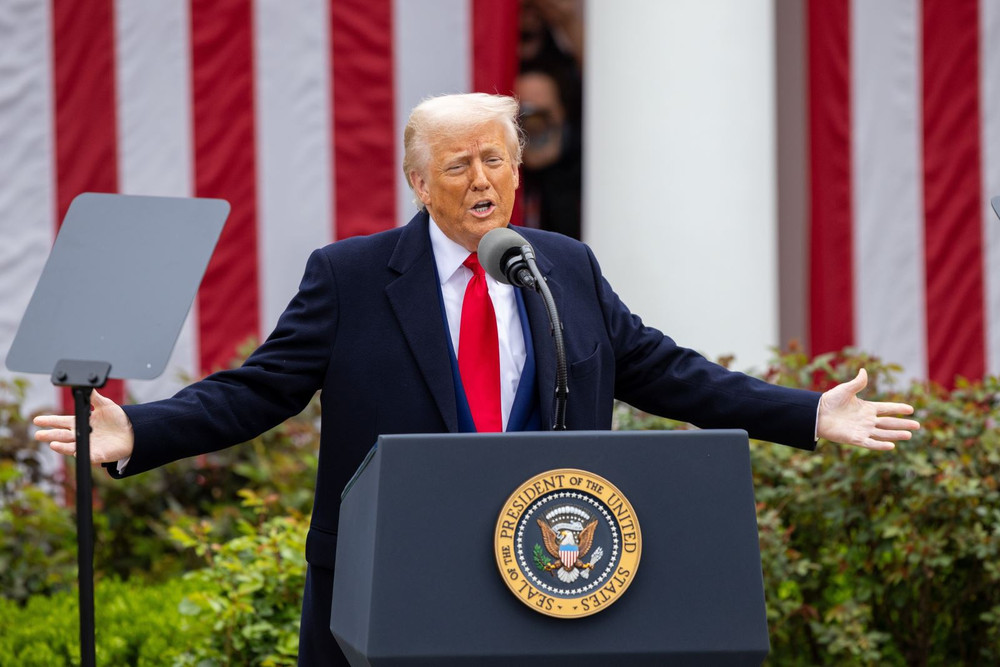
In a bold and polarizing move, President Donald Trump announced on June 29, 2025, his intention to end the recognition of Pride Month, celebrated annually in June to honor the LGBTQ community, and replace it with a national Veterans Month to commemorate America’s military heroes. Speaking at a rally in Ohio, Trump argued that veterans, who “risked everything for our flag,” deserve a dedicated month more than what he called a “divisive” celebration. The proposal has ignited a firestorm, with supporters praising it as a return to patriotic values and critics decrying it as an attack on inclusivity, further deepening the nation’s cultural divide.
Trump’s plan aligns with his broader agenda to prioritize national pride and traditional values. He pointed to his administration’s record on veterans’ issues, including a 30% reduction in VA wait times and $10 billion in new funding for mental health services in 2025, per the Department of Veterans Affairs. With 18 million veterans nationwide, Trump argued that a dedicated month would unify Americans around shared gratitude, unlike Pride Month, which he claimed “pushes ideology” on families. A 2025 Rasmussen poll shows 65% of Republicans support replacing Pride Month, with 70% favoring more recognition for veterans.
The proposal taps into conservative frustrations over cultural shifts. Supporters, including figures like Senator JD Vance, argue that Pride Month, marked by rainbow flags and corporate campaigns, has become a platform for progressive agendas, with 58% of parents in a 2025 Heritage Foundation survey opposing its prominence in schools. Laws in states like Florida and Texas, restricting discussions of gender and sexuality in classrooms, reflect this pushback. Trump’s call resonates with his base, who see veterans—many facing homelessness or PTSD—as more deserving of national focus than what they view as a politicized celebration.
Critics, including LGBTQ advocates and Democratic leaders, have slammed the proposal as discriminatory. Representative Alexandria Ocasio-Cortez called it a “mean-spirited” attempt to erase queer visibility, noting that Pride Month commemorates the 1969 Stonewall Riots and advances acceptance for a community facing high rates of discrimination—70% of LGBTQ youth reported harassment in a 2024 GLSEN survey. The Human Rights Campaign argues that honoring veterans and recognizing Pride are not mutually exclusive, with 45% of Americans in a 2025 Gallup poll supporting continued Pride Month recognition. Critics warn that Trump’s plan could inflame tensions, with 60% of Democrats in a Pew poll viewing it as divisive.
Logistically, implementing Veterans Month faces hurdles. Pride Month is not a federal holiday but a cultural observance, recognized by presidential proclamations since 1999. Trump could issue an executive order redirecting federal agencies to celebrate veterans in June, but altering public perception is trickier. Veterans Day, observed in November, already honors military service, and some moderates, including 35% of independents in a Gallup poll, question the need for a full month. The VA has proposed integrating veteran-focused events into existing holidays, but Trump’s team insists a dedicated month would amplify awareness.
The proposal has economic and political implications. Pride Month generates $4 billion in consumer spending, per a 2024 Nielsen report, with corporations like Nike and Target sponsoring events. Shifting to Veterans Month could disrupt this, though supporters argue it would boost veteran-owned businesses, which number 1.9 million, per the Small Business Administration. Politically, the move galvanizes Trump’s base ahead of the 2026 midterms, with 96% GOP approval in a Rasmussen poll. Democrats, however, are rallying their voters, with figures like Senator Elizabeth Warren framing the plan as part of a broader anti-LGBTQ agenda, citing Trump’s rollback of DEI mandates.
The debate reflects America’s deeper struggle over identity and priorities. Supporters see Veterans Month as a unifying tribute to sacrifice, with 68% of Republicans in a Rasmussen poll agreeing it’s overdue. Critics argue it pits communities against each other, with 55% of Democrats in a Gallup poll favoring inclusivity over replacement. Legal challenges are likely, with the ACLU signaling intent to sue if federal Pride recognitions are curtailed, citing First Amendment violations.
As Trump pushes to redefine June, the proposal tests the nation’s values. Will Americans embrace a month honoring veterans, or see it as erasing hard-won progress for marginalized groups? With cultural battles intensifying, Trump’s call ensures that 2026 will be a pivotal year for defining what—and who—America celebrates.