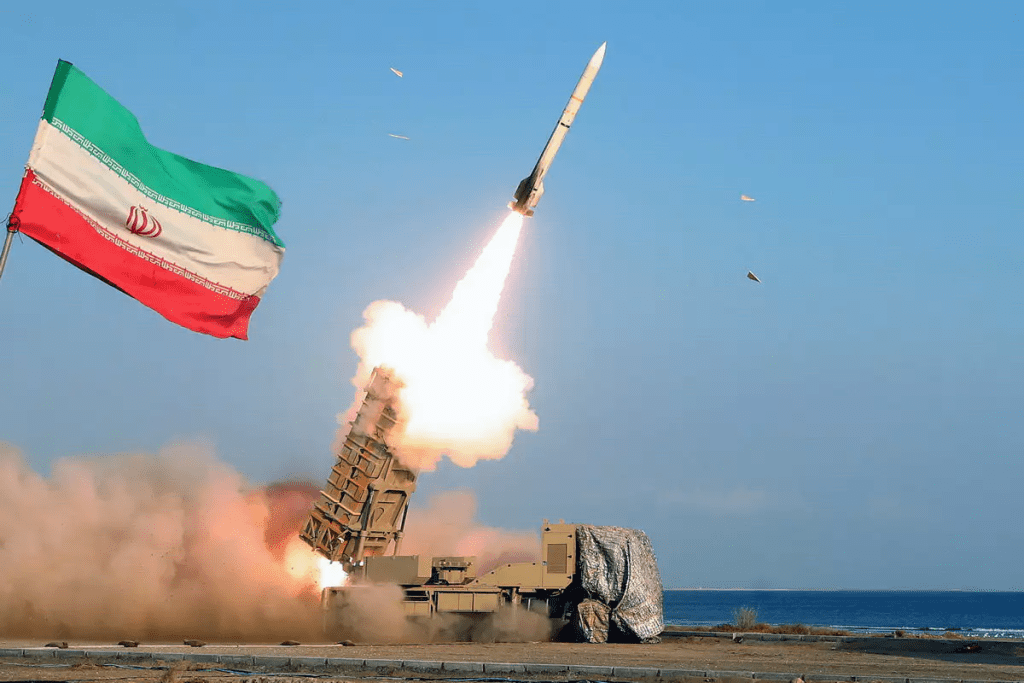
On June 25, 2025, Iran’s vow to activate sleeper cells within the United States, issued in response to President Donald J. Trump’s June 22 airstrikes on its nuclear facilities, has reignited a fierce debate over border security. The strikes, which obliterated Fordow, Natanz, and Isfahan, prompted Tehran’s Foreign Minister Abbas Araghchi to warn of “all options,” including covert operations by agents allegedly embedded in America. For many, this threat underscores a missed opportunity during Trump’s first term to fortify the border, raising questions about whether lax policies under subsequent administrations left the nation vulnerable.
Iran’s nuclear program, halted by Trump’s B-2 bomber and Tomahawk missile strikes, had amassed over 400 kilograms of 60% enriched uranium by 2024, per the International Atomic Energy Agency. The U.S. action, earning 58% approval in a Rasmussen poll, followed Iran’s missile attacks on Israel and support for Hezbollah, seen as direct threats to U.S. interests. Tehran’s retaliatory missile strike on Al Udeid Air Base in Qatar, intercepted without damage, and its sleeper cell rhetoric escalate fears of domestic terrorism. Intelligence officials, while skeptical of Iran’s capacity, note its history of plots, like a 2011 attempt to assassinate a Saudi diplomat in Washington.
The border security argument hinges on Trump’s first-term efforts. From 2017 to 2021, he built 458 miles of border wall, reduced illegal crossings to 400,000 in 2020, and implemented the Remain in Mexico policy, per U.S. Customs and Border Protection. Supporters argue these measures could have blocked potential threats, including sleeper agents posing as migrants. A 2024 Department of Homeland Security report flagged 1,200 “special interest aliens” from adversarial nations, including Iran, apprehended at the border since 2021. Critics of Biden’s policies, which saw 2.5 million apprehensions in 2023, contend that dismantling Trump’s framework allowed unchecked entry, risking infiltration.
Trump’s second term, begun in January 2025, has revived these efforts. New wall funding of $1.5 billion and $27 billion for ICE have cut crossings by 20%, with 7,711 workplace arrests in 2024. His Truth Social post on June 24, vowing to “reverse the invasion,” resonates with 60% of Americans in a Pew poll who support stricter enforcement. Supporters argue that a tighter border during Biden’s tenure—when Remain in Mexico was ended and wall construction halted—might have deterred Iran’s alleged operatives, especially amid reports of 180,000 “gotaways” in 2023, per CBP data.
Skeptics, including Democrats like House Minority Leader Hakeem Jeffries, argue the sleeper cell threat is overstated to justify harsh immigration policies. The FBI’s 2024 threat assessment notes no confirmed Iranian cells, and border apprehensions involve mostly economic migrants, not terrorists. Critics highlight Biden’s $1.2 trillion infrastructure law and 15 million job gains as evidence of stability, arguing Trump’s border focus distracts from domestic priorities. A 2023 Cato Institute study found no link between border crossings and terrorism, with most plots, like the 2015 San Bernardino shooting, involving U.S. citizens or legal residents. They warn Trump’s rhetoric fuels xenophobia, with 68% of Americans in a Gallup poll noting rising polarization.
The counterargument insists prevention outweighs complacency. Iran’s proxies, like Hezbollah, have operated in Latin America, per a 2022 State Department report, raising fears of border exploitation. A 2024 ICE raid in Texas detained 200 undocumented workers, including 12 from “high-risk” countries. Supporters argue Trump’s first-term policies, if sustained, could have screened out such risks, citing E-Verify’s 30% reduction in undocumented hiring in Arizona. The “One Big Beautiful Bill Act,” nearing Senate passage, mandates nationwide E-Verify, aligning with calls for proactive security.
The sleeper cell threat, whether real or rhetorical, exposes America’s vulnerabilities. Trump’s strikes and ceasefire, brokered on June 23, show strength abroad, but domestic safety hinges on borders, intelligence, and unity. Critics argue for balanced immigration reform, like Biden’s stalled DACA expansions, over militarization. Yet for many, Iran’s warning validates Trump’s vigilance. As he declared on June 22, “America’s safety comes first.” With 1,310 days left, his border push aims to close gaps others ignored. Whether this could have thwarted Iran’s threat is speculative, but the debate—security versus openness—defines a nation on edge, wary of enemies within and beyond.