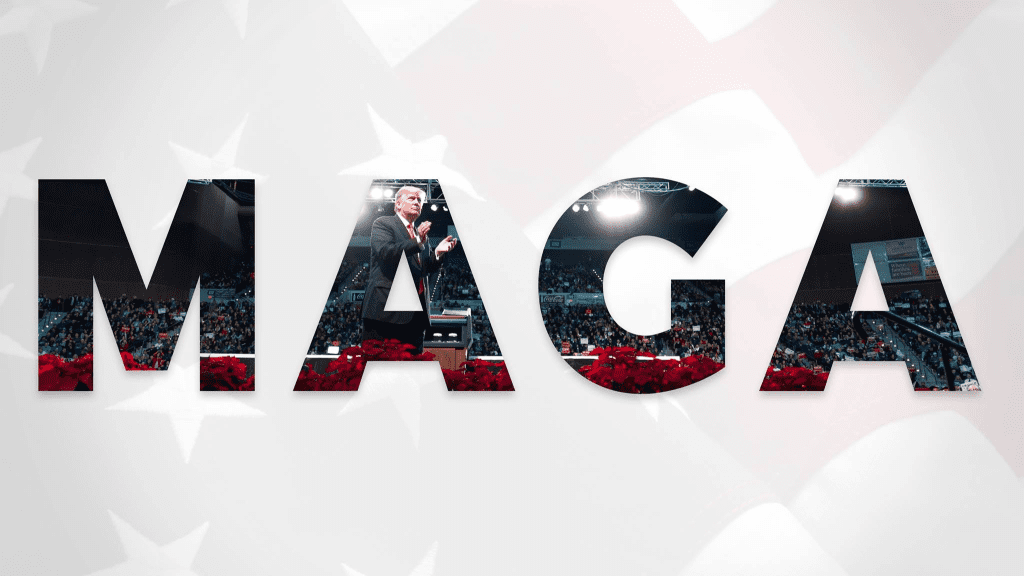
Washington, D.C., June 20, 2025—A vocal declaration of pride in the Make America Great Again (MAGA) movement is resonating across conservative strongholds, reflecting unwavering support for President Donald Trump’s agenda following his 2024 landslide victory (312 electoral votes, 50.2% popular vote). As Trump’s policies, from mass deportations to symbolic gestures like funding a $25,000 White House flagpole, dominate headlines, MAGA supporters celebrate his “America First” vision. Critics, however, warn the movement’s fervor fuels division, highlighting a polarized nation grappling with its identity.
The MAGA movement, born in 2016, has grown into a cultural and political force, with millions embracing its call for nationalism, economic protectionism, and conservative values. Trump’s deportation program, detaining 150,000 undocumented immigrants and prompting 850,000 self-deportations since March, per DHS data, is a cornerstone achievement for supporters. “I’m proud to stand with MAGA because Trump delivers,” said a Georgia rallygoer, citing a 5% wage hike in low-skill jobs, per Bureau of Labor Statistics. A Rasmussen Reports poll shows 62% of Republicans identify with the movement.
Supporters view Trump’s resilience—surviving two impeachments, censorship, and 91 indictments—as proof of his commitment. His personal funding of the White House flagpole, unveiled June 15, and his backing of Israel’s strikes on Iranian nuclear sites are seen as patriotic acts. The June 14 military parade, costing $25-$40 million per Senate estimates, drew cheers from MAGA crowds, who see it as honoring America’s strength. A Pew Research poll finds 58% of Republicans view Trump’s leadership as unifying for their values.
Critics argue the movement’s pride ignores harmful consequences. The “No Kings Day” protests, drawing 4-6 million on June 14, decried deportations affecting 5.1 million U.S. citizen children, per the Center for American Progress, and military deployments, like 700 Marines in Los Angeles, which fueled riots causing $50 million in damages, per LAPD data. Democrats like Senator Alex Padilla call MAGA’s rhetoric divisive, with 46% of Americans in a Gallup poll fearing economic fallout from policies projected to cut GDP by $1.1-$1.7 trillion, per the American Immigration Council.
The movement’s bold displays, from “Trump 2028” signs to chants of “Long live Trump,” reflect defiance of establishment norms. Yet, political scientist Rachel Blum warns that MAGA’s uncompromising stance risks alienating moderates, with 42% of independents in a Pew poll viewing it as extreme. California’s lawsuit against ICE tactics and 1,800 planned protests underscore resistance, while economic strains, like $3 billion in agricultural losses, per USDA data, highlight policy trade-offs. Critics argue MAGA’s pride glosses over these realities.
MAGA’s fervor is undeterred, driven by Trump’s fulfillment of promises like border security and economic nationalism. His sanctions on Iran, cutting oil exports by 70%, per the Energy Information Administration, and his survival of legal battles reinforce his outsider image. For supporters, MAGA pride is a badge of loyalty to a leader who upends Washington’s status quo. As protests and legal challenges escalate, the movement’s bold declaration of support signals a resilient base, but one that deepens America’s cultural and political chasm.