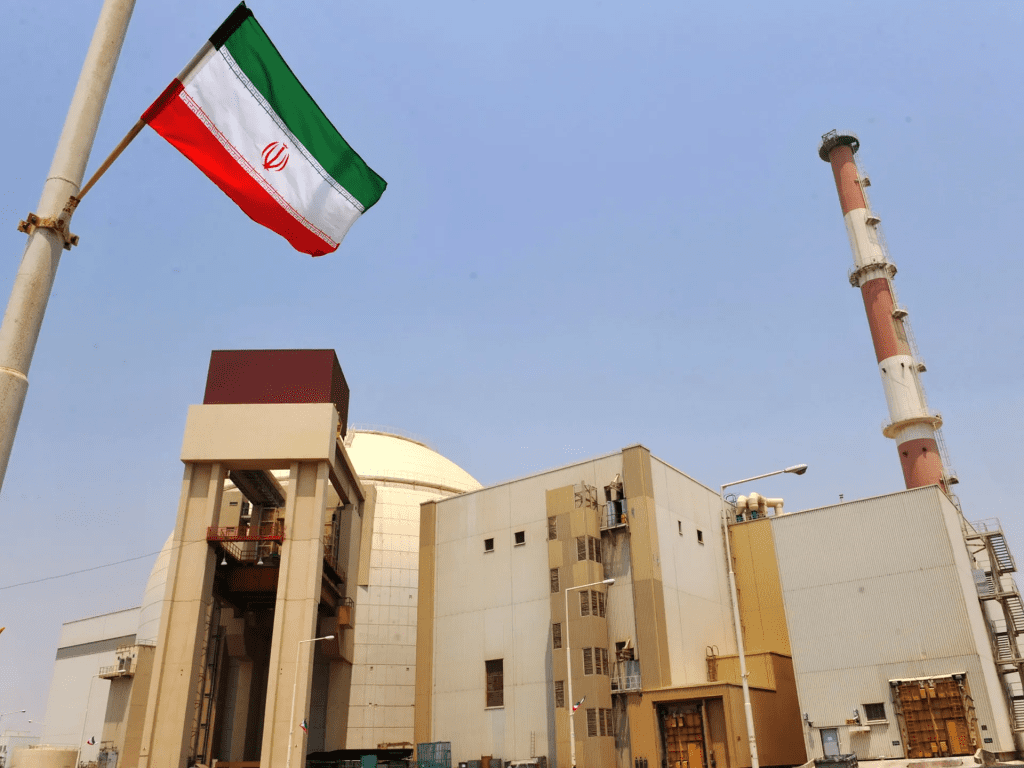
Washington, D.C., June 20, 2025—Iran’s reported enrichment of uranium to 90% purity, a weapons-grade level, has intensified concerns that a nuclear-armed Tehran could target major U.S. cities like New York or Los Angeles with devastating consequences. Some analysts and citizens fear that if Iran develops a nuclear weapon, the odds of a “mushroom cloud” over American soil are alarmingly high, given the regime’s history of hostility. While President Donald Trump’s aggressive stance aims to prevent this, skeptics warn of escalation risks, underscoring a dire debate over national security.
Iran’s nuclear ambitions, confirmed by the International Atomic Energy Agency in May 2025, have heightened global alarm. The regime’s support for attacks like the 1983 Beirut bombing, killing 241 U.S. Marines, and its proxies’ rocket assaults on Israel fuel fears of its intent. A 2025 Defense Department report warns that a nuclear Iran could arm groups like Hezbollah, with 150,000 rockets, or develop missiles capable of reaching the U.S. by 2030, per RAND estimates. A Rasmussen Reports poll shows 54% of Americans believe Iran’s nuclear program threatens U.S. cities directly.
The prospect of a nuclear strike on New York or Los Angeles, home to 8.8 and 3.8 million people respectively, is chilling. A 150-kiloton detonation in Manhattan could kill 1 million instantly, with 2 million injured, per a 2023 NukeMap simulation. Los Angeles, a hub for trade and culture, faces similar devastation. Supporters of Trump’s policy, including his backing of Israel’s strikes on Iranian sites, argue that preemption is critical. “We can’t wait for Iran to act,” said a Florida rallygoer, reflecting urgency after Trump’s 2024 landslide (312 electoral votes, 50.2% popular vote).
Critics, however, caution against assuming Iran would risk a suicidal attack. Iran’s leadership, while hostile, has prioritized regime survival, per a 2025 Cato Institute analysis, and lacks intercontinental ballistic missiles, limiting its reach. A direct strike would invite U.S. retaliation, potentially obliterating Iran’s 85 million population, per Pentagon scenarios. Democrats like Senator Bernie Sanders advocate diplomacy, noting the 2015 nuclear deal cut Iran’s uranium stockpile by 98% before Trump’s 2018 withdrawal. A Pew Research poll finds 38% of Americans favor negotiations over military action.
Trump’s approach—sanctions slashing Iran’s oil exports by 70%, per the Energy Information Administration, and naval deployments—aims to deter without war. His 2020 Soleimani strike avoided escalation, but Iran’s Russian-supplied S-400 defenses and fortified sites like Fordow complicate strikes, per a 2025 RAND report. An attack could spike oil prices by 40%, raising U.S. gas costs by $1.50 per gallon, per AAA data, and risk retaliatory strikes on U.S. bases. The “No Kings Day” protests, drawing 4-6 million on June 14, decried such militarism, with 46% of Americans fearing conflict, per Gallup.
The debate is clouded by domestic distractions. Trump’s deportation of 150,000 immigrants, Los Angeles riots injuring ten deputies, and California’s lawsuit against ICE, per LAPD and court records, dominate headlines. Yet, political scientist David Faris warns that underestimating Iran’s threat could be catastrophic, while overreacting risks war. As 1,800 protests loom and Israel considers unilateral action, the specter of a nuclear Iran targeting U.S. cities remains a grim possibility, driving urgent calls to prevent a nightmare scenario.