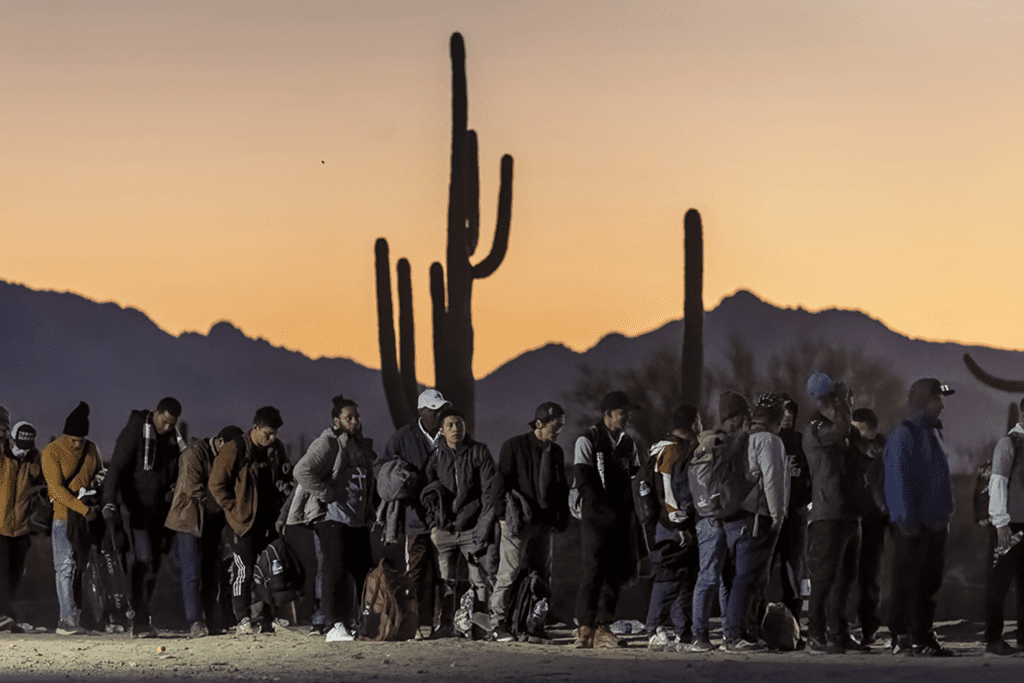
Washington, D.C., June 19, 2025—The contentious issue of undocumented immigrants accessing Social Security benefits has surged to the forefront as President Donald Trump’s mass deportation program, detaining 150,000 and prompting 850,000 self-deportations since March, reshapes the national conversation. Critics argue that “illegals” should not receive benefits unless they contribute through payroll taxes, insisting that taxpayer-funded programs must prioritize citizens. Supporters of reform counter that undocumented workers already bolster the system, highlighting a polarized debate over fairness, economics, and American values.
The Social Security Administration (SSA) requires contributions via payroll taxes to qualify for benefits, and undocumented immigrants, lacking legal work authorization, are generally ineligible. However, some use false Social Security numbers to work, paying $13 billion annually into the system without claiming benefits, per a 2016 SSA report. This surplus helps sustain the program, projected to face a $13.9 trillion shortfall by 2035, per the Congressional Budget Office. Trump’s base, energized by his 2024 landslide (312 electoral votes, 50.2% popular vote), demands a hard line, with 62% of Republicans in a Rasmussen Reports poll opposing any benefits for undocumented immigrants.
Proponents of exclusion argue that Social Security, funded by American workers, should not support those in the country illegally. “They don’t belong on our benefits—period,” said a Michigan rallygoer, echoing sentiment at recent Trump events. The Center for Immigration Studies estimates that 43% of undocumented workers use fraudulent credentials, contributing taxes but straining public resources indirectly. With ICE raids targeting 2,000 daily, per DHS data, supporters see deportations as a way to protect programs like Social Security, which paid $1.4 trillion to 70 million Americans in 2024, per SSA records.
Critics of the hardline stance argue that undocumented workers’ contributions are vital. The American Immigration Council notes that 4.4 million undocumented immigrants work in low-wage jobs—50% of farmworkers, per USDA data—paying taxes that subsidize benefits they cannot access. Excluding them entirely risks economic fallout, as deportations could cut GDP by $1.1-$1.7 trillion, per a 2025 estimate, impacting industries like agriculture facing $3 billion in losses. A Pew Research poll shows 46% of Americans support pathways to legal work, which could formalize contributions and stabilize the system.
The issue is complicated by legal and practical realities. Some undocumented immigrants access benefits indirectly, such as through U.S. citizen children, with 5.1 million such dependents, per the Center for American Progress. Proposals to block this, like a 2025 House bill, face legal hurdles under the 14th Amendment’s equal protection clause, per constitutional scholars. Meanwhile, protests like the 4-6 million-strong “No Kings Day” marches on June 14 decried deportations, with California suing over ICE tactics, alleging violations of due process. Violence, including ten injured Los Angeles deputies, underscores the stakes, per LAPD data.
Trump’s administration, eyeing further enforcement like the Insurrection Act, frames deportations as a defense of American resources. Acting ICE Director Thomas Homan stated, “We’re prioritizing citizens’ benefits by securing our borders.” Yet, economists warn that mass removals could strain Social Security further by shrinking the workforce, with a 2025 Brookings study projecting a 10% drop in payroll tax revenue if deportations hit 1 million annually. As 1,800 protests loom, the debate over undocumented immigrants and benefits tests the nation’s balance of fairness and fiscal responsibility.
The question of who deserves Social Security reflects deeper tensions over immigration and entitlement. For Trump’s supporters, it’s a clear-cut issue of citizen priority; for opponents, it’s a matter of recognizing contributions in a system reliant on all workers. As America navigates this divide, the outcome will shape both policy and public trust.