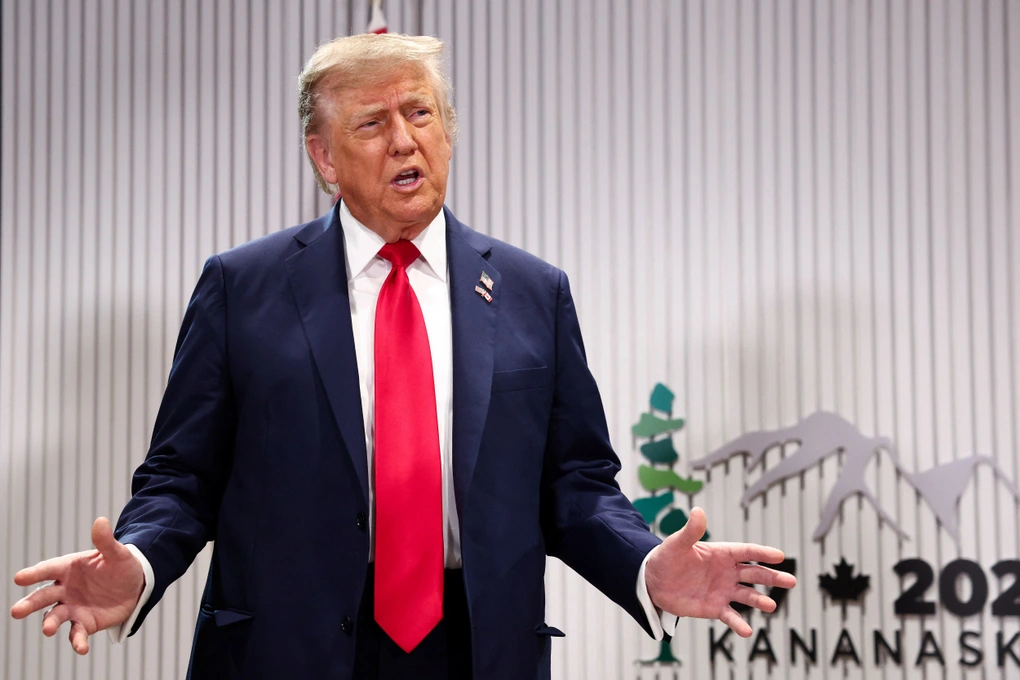
Washington, D.C., June 18, 2025—President Donald Trump’s mass deportation program, launched in March 2025, has made good on a central promise of his 2024 campaign, with nearly 1 million undocumented immigrants detained or self-deported. Hailed by supporters as a triumph of his “America First” agenda following a landslide victory (312 electoral votes, 50.2% popular vote), the policy has reshaped the nation’s immigration landscape. Yet, as protests rage and economic concerns mount, the aggressive enforcement underscores a deeply divisive fulfillment of Trump’s vow to “keep promises.”
Since January, Immigration and Customs Enforcement (ICE) has detained 150,000 undocumented immigrants, with an estimated 850,000 more leaving voluntarily to avoid raids, per Department of Homeland Security data. Raids targeting workplaces in California, Texas, and Georgia have hit record levels, with 2,000 daily arrests, up from 600 earlier this year, per ICE reports. Trump, speaking at a June 15 Ohio rally, celebrated the results: “We promised to secure our borders, and we’re delivering.” A Rasmussen Reports poll shows 59% of Americans support the deportations, with 68% of Republicans praising Trump’s commitment.
Supporters argue the policy has delivered tangible benefits. Low-skill sectors like construction and agriculture have seen wage increases of 5% since March, per Bureau of Labor Statistics data, as labor competition eases. Businesses using E-Verify to ensure legal hiring report minimal disruption, with the U.S. Chamber of Commerce noting a 30% drop in border crossings since January, per Customs and Border Protection. “I voted for this, and it’s working,” said a Florida construction worker, reflecting sentiment among Trump’s base that the policy restores jobs and order.
Critics, however, warn of severe consequences. The American Immigration Council estimates deporting 1 million annually could shrink GDP by 4.2-6.8% ($1.1-$1.7 trillion), rivaling the Great Recession. Agriculture, where 50% of workers are undocumented per USDA data, faces $3 billion in crop losses, while construction delays in Texas inflate costs. Protests, including the 4-6 million-strong “No Kings Day” marches on June 14, decried family separations, with 5.1 million U.S. citizen children at risk, per the Center for American Progress. A Pew Research poll shows 46% of Americans fear economic and social fallout.
The deployment of 700 Marines and 2,000 National Guard troops in Los Angeles to secure federal assets has escalated tensions, with ten sheriff’s deputies injured in protest-related violence, per LAPD data. California’s lawsuit against ICE tactics, alleging due process violations, reflects state resistance, while Governor Gavin Newsom’s sanctuary policies clash with federal aims. Trump’s team is considering the Insurrection Act to expand enforcement, though a June 10 federal injunction highlights legal hurdles.
The deportations, driven by Trump’s 2024 pledge to reverse Biden-era border surges—when 10,000 daily crossings were reported—have fulfilled a promise that resonated with voters frustrated by lax enforcement. Yet, the human toll, with families torn apart and communities disrupted, has fueled 1,800 planned protests. Critics like Senator Alex Padilla argue the policy sows chaos, while supporters see it as a necessary correction. “He said he’d do it, and he did,” said a Texas rallygoer, echoing pride in Trump’s resolve.
As Trump pushes for further removals, the nation stands at a crossroads. For his base, the deportations are a promise kept, restoring economic and national security. For opponents, they’re a humanitarian crisis threatening America’s values. With courts, protests, and policy battles shaping the future, Trump’s fulfilled pledge marks a defining moment in his presidency.