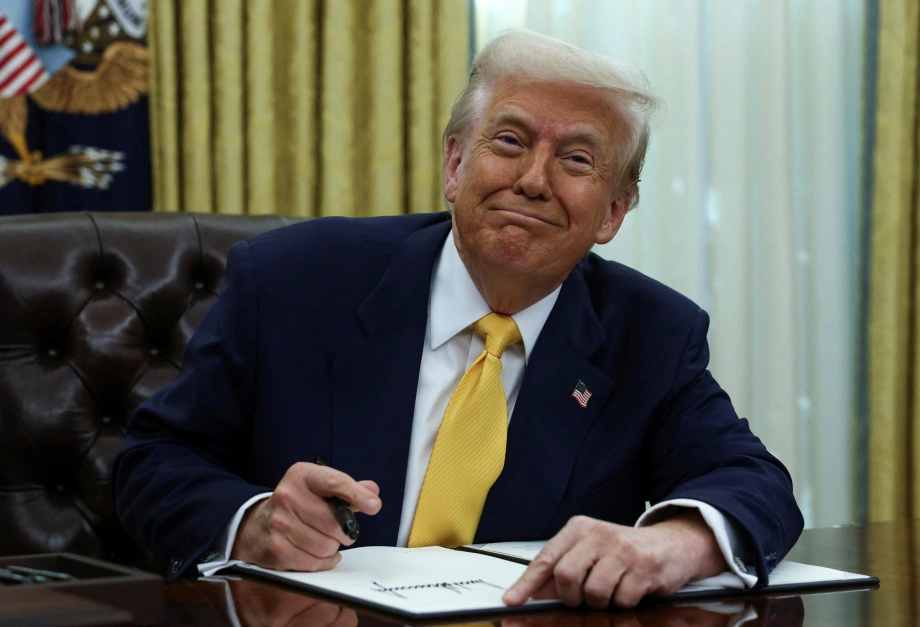
Washington, D.C., June 17, 2025—A provocative jab at COVID-era restrictions has resurfaced in conservative circles, with supporters of President Donald Trump contrasting his leadership with past mandates that kept Americans indoors and masked for nearly two years. The phrase, “Real kings would lock you in your home and make you wear a mask everywhere,” has gained traction amid protests against Trump’s policies, framing his rejection of such measures as proof he’s no monarch. As the “No Kings Day” demonstrations spotlight fears of authoritarianism, this rhetoric underscores a lingering divide over pandemic policies and personal freedoms.
The comment harks back to 2020-2022, when Democratic-led states like California and New York enforced strict lockdowns and mask mandates to curb COVID-19’s spread. Governor Gavin Newsom’s stay-at-home orders, lasting over a year, and New York’s mask requirements in public spaces drew fierce backlash from conservatives, who saw them as overreaches of state power. Trump, who opposed blanket mandates and pushed for reopening by mid-2020, has leaned into this contrast, calling such policies “tyranny” at a recent Ohio rally. A Rasmussen Reports poll shows 57% of Republicans view COVID restrictions as excessive, fueling their support for Trump’s 2024 landslide (312 electoral votes, 50.2% popular vote).
The “No Kings Day” protests on June 14, drawing 4-6 million against Trump’s mass deportation program and military deployments, have reignited the debate. Protesters, decrying Trump’s use of 700 Marines in Los Angeles to secure federal assets, argue his actions mirror autocratic control. Yet, supporters counter that Democratic governors’ pandemic measures—closing businesses, schools, and mandating masks—were far closer to “kingly” edicts. “Trump’s about freedom, not control,” said a Texas rallygoer, pointing to his refusal to reinstate federal mandates despite a 2024 mpox scare.
Critics of the lockdown era, including some Democrats, argue the measures caused lasting harm. A 2025 Cato Institute study estimates California’s lockdowns cost 500,000 jobs and $100 billion in economic output, while school closures led to a 15% drop in reading proficiency among low-income students, per the National Assessment of Educational Progress. Mask mandates, enforced until mid-2022 in some states, were criticized for inconsistent efficacy, with a 2023 CDC report showing mixed results on community spread. These data points bolster claims that such policies were heavy-handed, contrasting with Trump’s push for deregulation.
Democrats defend the restrictions as necessary to save lives, citing 1.1 million U.S. COVID deaths by 2023. Newsom, who faced a 2021 recall over his mandates, argued they reduced hospitalizations by 40%, per California Department of Public Health data. At a Los Angeles press conference, he called the “real kings” jab a “distraction” from Trump’s militarized immigration raids, which have detained 150,000 since January. A Pew Research poll shows 62% of Democrats support past COVID measures, though 48% now question their duration.
The rhetoric has real-world stakes. In Los Angeles, where protests turned violent, injuring ten sheriff’s deputies, Trump’s supporters frame his policies as liberating compared to Democratic “control.” Legal battles, including California’s lawsuit against federal troop deployments, and 1,800 planned protests signal ongoing unrest. Political scientist Rachel Blum warns that invoking past grievances like lockdowns risks escalating tensions, as both sides dig into competing narratives of freedom versus safety.
As Trump pushes deportations and economic reforms, the “real kings” taunt underscores his appeal as a defender of personal liberty. Yet, for protesters, his actions evoke a different kind of overreach. The clash over what constitutes authoritarianism—past mandates or present policies—continues to define America’s fractured political landscape.