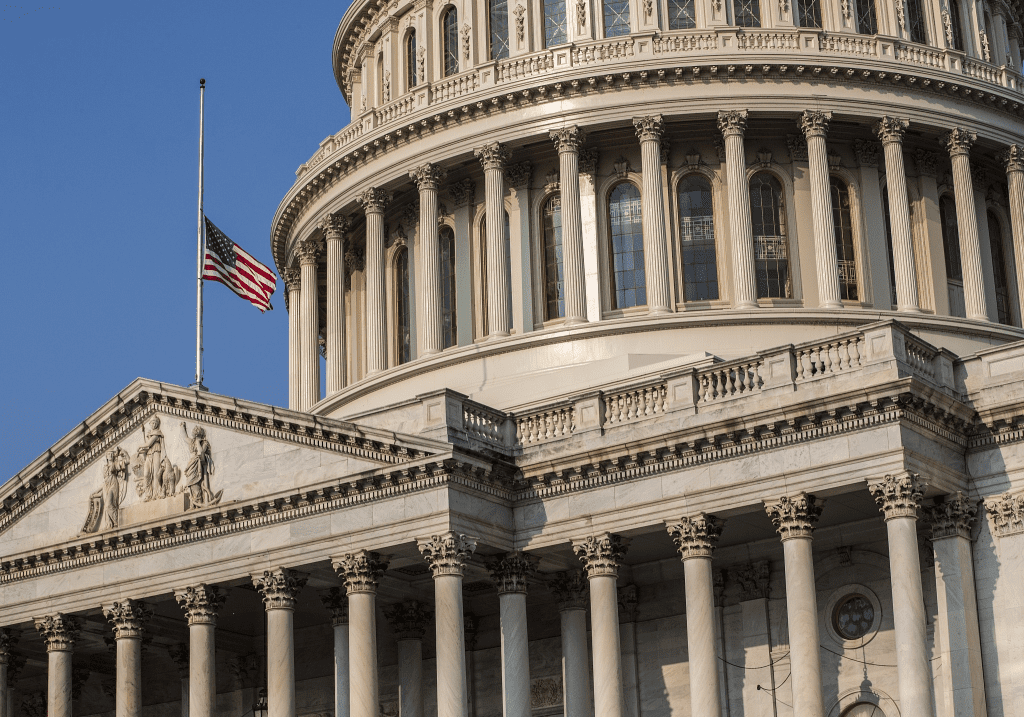
Republican lawmakers, led by Representative Nancy Mace of South Carolina, have introduced a bill to ban all foreign flags from the U.S. Capitol, arguing that only the American flag should fly in the nation’s legislative heart. Filed on June 13, 2025, the proposal aims to cement national unity amid rising tensions over immigration and protests. Supporters hail it as a patriotic stand, while critics slam it as a divisive curb on free expression, setting the stage for a contentious congressional battle.
The legislation responds to recent anti-ICE protests, where foreign flags—Mexican, Honduran, and others—were waved in cities like Los Angeles, which saw riots causing $5.2 million in damages. Mace and 22 GOP co-sponsors argue that the Capitol, a symbol of American governance, must reflect singular allegiance. “Foreign flags don’t belong where our laws are made,” Mace declared, tying the bill to President Trump’s ICE raids, which have netted 32,809 arrests since January, including 1,155 gang members. With 48% of Americans backing the raids, the bill taps into frustration over perceived challenges to national identity.
Proponents see the ban as a defense of sovereignty. They argue that foreign flags, especially during protests against U.S. policies, signal disloyalty, pointing to incidents where rioters defaced federal buildings. The bill allows limited exceptions for diplomatic displays but prohibits protest-related foreign flags in congressional spaces. Supporters, buoyed by 52% approval for Trump’s agenda in battleground states, view it as a necessary stand against the backdrop of nearly 2,000 “No Kings” protests targeting Trump’s $45 million military parade.
Opponents, including Democrats and civil liberties advocates, call the bill an assault on free speech. The Supreme Court’s 1989 Texas v. Johnson ruling, protecting flag burning as expressive conduct, suggests foreign flag displays are similarly safeguarded. Representative Joaquin Castro warned the ban could alienate immigrant communities, who make up 40 million U.S. residents, and strain ties with allies whose flags have historically appeared during state visits. With 52% of blue-state voters opposing Trump’s raids, critics see the bill as a GOP ploy to inflame cultural divisions rather than foster unity.
Legal and practical challenges loom. The bill’s passage is uncertain in a narrowly Republican-controlled House, and the Democratic Senate is likely to block it. Courts could strike it down, as seen with past flag-related restrictions, citing First Amendment protections. Enforcing the ban in the Capitol’s public areas, where protests occasionally spill, would stretch security resources, already strained since the January 6, 2021, riot. A 2023 Pew survey found 80% of Americans view political symbols like flags as deeply personal, hinting the ban could escalate tensions.
The proposal reflects broader anxieties about America’s identity. Supporters argue that, with 75,000 homeless in Los Angeles and foreign flags at riots, the Capitol must stand as a unifying symbol. Critics counter that banning foreign flags risks marginalizing diverse voices in a nation built on immigration. As Congress debates and protests unfold, the bill underscores a stark divide: is the Capitol a place for one flag’s dominance or a reflection of America’s complex tapestry?