Rhode Island Senator Sheldon Whitehouse, a prominent Democrat, is embroiled in a major ethics scandal after allegations surfaced that he funneled millions in taxpayer dollars to a nonprofit tied to his wife, Sandra Thornton Whitehouse. The controversy, exposed in early 2025, has sparked outrage among critics who see it as a blatant abuse of power, intensifying scrutiny of political corruption as the nation grapples with President Trump’s aggressive policy agenda and widespread unrest.
The Foundation for Accountability and Civic Trust (FACT), a watchdog group, filed a complaint with the Senate Ethics Committee, accusing Whitehouse of steering $6.9 million in federal grants to Ocean Conservancy, an environmental nonprofit where his wife serves as a highly paid consultant. Since 2008, the organization has received over $14 million in government funds, nearly half within the last year, raising questions about Whitehouse’s influence. Critics argue he leveraged his position to secure legislation that directly benefited his wife’s firm, Ocean Wonks LLC, which lobbies for environmental causes he champions in Congress.
Whitehouse, a vocal critic of “dark money” in politics, has denied wrongdoing, insisting his advocacy for climate initiatives serves the public, not his family. His office claims the grants were awarded through standard processes and that Sandra Whitehouse’s expertise justifies her role. However, the ethics complaint paints a damning picture, alleging a “circular relationship” where taxpayer funds flow to an organization paying his wife a substantial salary. With 48% of Americans distrusting congressional ethics, per a 2024 poll, the scandal feeds public frustration over self-dealing in Washington.
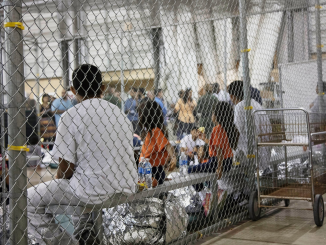
The timing couldn’t be worse for Democrats. As nearly 2,000 “No Kings” protests target Trump’s $45 million military parade and ICE raids, which have netted 32,809 arrests since January, Whitehouse’s scandal undermines the party’s moral high ground. Los Angeles riots, causing $5.2 million in damages, have already strained blue-state leaders like California’s Gavin Newsom, and Whitehouse’s misstep risks further eroding trust. Republicans, led by figures like Rhode Island GOP Chairman Joe Power, have called for his resignation, branding him “the epitome of Washington corruption.”
Skeptics note that both parties have faced similar accusations. Democrats like Representative Maxine Waters, who paid her daughter over $1.2 million in campaign funds since 2003, and Republicans like former Representative Matt Gaetz, fined for misusing taxpayer dollars, highlight a bipartisan problem. Yet, Whitehouse’s case stands out for its scale and the direct link to federal grants. Congressional rules bar lawmakers from actions that financially benefit their spouses, and the Senate Ethics Committee is now under pressure to investigate.
Defenders argue Whitehouse’s climate advocacy aligns with his long-standing priorities, not personal gain. Ocean Conservancy’s grants, they say, support critical environmental work, and his wife’s role predates the funding surge. But with 52% of battleground voters backing Trump’s anti-establishment agenda, the optics of a senator enriching his family are toxic. The scandal also echoes broader concerns about political elites, as seen in Minnesota’s recent assassination of Representative Melissa Hortman amid rising tensions.
As the ethics probe looms, Whitehouse’s future hangs in the balance. The scandal, whether proven or not, deepens public cynicism about a system where power often protects privilege. For a nation already divided by raids, riots, and parades, the Whitehouse saga is another crack in the façade of trust.