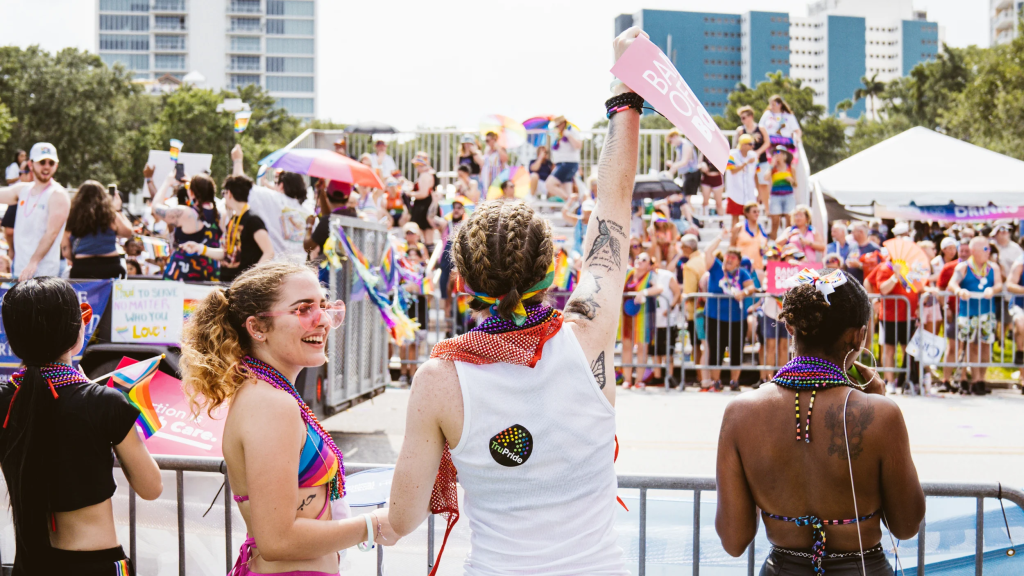
Florida’s Pride celebrations have undergone a seismic change in 2025, with all events now required to be held indoors and restricted to attendees aged 18 and older. This ruling, stemming from a recent federal appeals court decision, is being hailed by some as a landmark victory for community standards, while others decry it as a rollback of hard-won freedoms. The shift, which effectively bars children from participating, has ignited fierce debate over the balance between public expression and local regulations.
The decision follows a legal battle in Naples, where organizers of a Pride event sought to host a drag show in a public park near a children’s playground. The court, siding with the city, upheld restrictions under Florida’s laws limiting public performances deemed inappropriate for minors. The ruling sets a precedent, compelling all Pride parades and festivals across the state to relocate to private indoor venues and enforce strict age limits. For supporters, this ensures that public spaces remain family-friendly, while critics argue it stifles the inclusive spirit of Pride.
Proponents of the change view it as a triumph of common-sense governance. They argue that Pride events, often featuring provocative performances like drag shows, are not suitable for children and should be confined to adult-only settings. The move indoors, they say, protects young attendees from exposure to mature themes while preserving the rights of communities to regulate public spaces. Many also point to the ruling as a response to growing parental concerns about the sexualization of public events, a sentiment that has fueled similar restrictions nationwide.
For Florida’s LGBTQ+ community, however, the ruling feels like a gut punch. Pride parades have long been vibrant, public celebrations of identity, resilience, and progress, often welcoming families and allies of all ages. Moving them indoors risks diminishing their visibility and accessibility, particularly for those who can’t afford tickets to private venues. Organizers worry that the age restriction alienates younger members of the community, including teens exploring their identities, who have historically found solace in Pride’s inclusive atmosphere. The financial burden of securing indoor spaces, coupled with declining corporate sponsorships, further threatens the viability of these events.
The broader context adds fuel to the controversy. Florida’s political climate, marked by laws targeting drag performances and gender-affirming care, has been labeled by some as increasingly hostile to LGBTQ+ rights. The state’s decision to light bridges in red, white, and blue instead of rainbow colors during Pride Month 2024 set the tone for this shift. Critics see the indoor mandate as part of a broader effort to push Pride back into the shadows, reversing decades of progress toward mainstream acceptance. Supporters, meanwhile, frame it as a necessary recalibration of public decency standards.
The practical implications are stark. Major Pride events, like St. Pete Pride, Florida’s largest, must now scramble to find indoor venues capable of hosting thousands, a logistical nightmare that could dampen turnout. Smaller celebrations, such as those in Fernandina Beach or Wilton Manors, face even steeper challenges, with limited resources to adapt. The absence of children, long a symbol of Pride’s family-friendly evolution, alters the events’ character, potentially alienating allies who brought their kids to show support.
As Florida’s Pride season unfolds, the state stands at a crossroads. For those celebrating the ruling, it’s a victory for protecting community values and ensuring public spaces reflect shared standards. For those mourning the loss of open-air, all-ages parades, it’s a reminder of the fragility of progress. Both sides agree on one thing: the fight over Pride’s future is far from over, and its outcome will shape how Florida balances freedom, inclusion, and tradition.