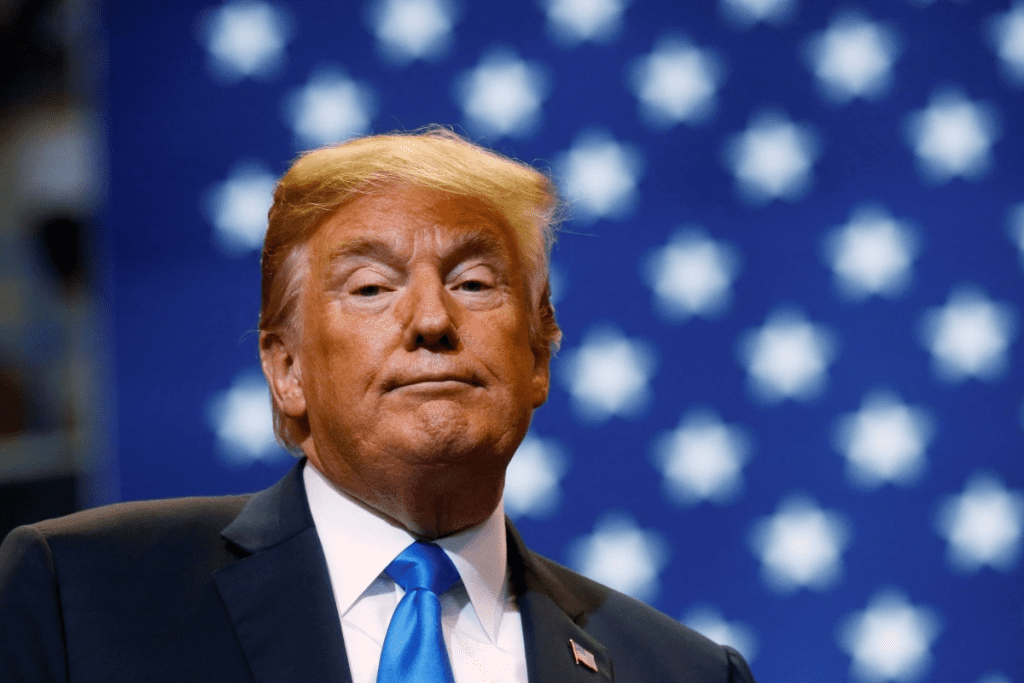
On June 7, 2025, President Donald Trump demanded that Congress eliminate all federal funding for sanctuary cities and programs supporting undocumented immigrants, intensifying his second term’s hardline immigration agenda. The directive, issued during a Mar-a-Lago speech, targets jurisdictions like Los Angeles and Chicago that limit cooperation with Immigration and Customs Enforcement (ICE). Hailed by supporters as long overdue, the move escalates tensions with Democratic-led cities and raises legal and economic questions as Trump’s base rallies behind his “America First” vision.
Trump’s demand aligns with his administration’s aggressive enforcement, including 142,000 deportations and ICE’s arrest of 32,809 migrants in 2025’s first 50 days, a 627% surge from Biden’s final year. He called sanctuary cities “criminal havens,” citing incidents like Milwaukee Judge Hannah Dugan’s alleged aid to an undocumented migrant. The proposed funding cuts would strip grants from programs like the State Criminal Alien Assistance Program and Community Development Block Grants, impacting cities that refuse to honor ICE detainers. A 2025 Heritage Foundation report estimates sanctuary policies cost taxpayers $150 billion annually, fueling calls to redirect funds to border security.
Supporters, with 90% of 2016 Trump voters approving his performance per a 2025 Gallup poll, see the move as fulfilling campaign promises. Policies like the Safeguard American Voter Eligibility Act and the American Entrepreneurs First Act, barring noncitizens from SBA loans, reflect this momentum. The deployment of 2,000 National Guard troops to Los Angeles amid deportation protests underscores Trump’s resolve, with 62% of Americans favoring stricter enforcement, per a 2024 Pew survey. Backers argue defunding will force compliance, pointing to 2.5 million border apprehensions in 2023 under Biden as evidence of past failures.
Critics, including Los Angeles Mayor Karen Bass and Gov. Gavin Newsom, call the proposal punitive and counterproductive. Sanctuary cities, home to 11 million undocumented immigrants, contribute $79.7 billion annually to the economy, per a 2024 Center for American Progress study. Cutting funds could slash services like housing and healthcare, with Los Angeles facing a $400 million shortfall, per city estimates. The ACLU, noting 35 wrongful detentions in 2025 sweeps, warns of heightened community distrust. Legal challenges loom, as a 2018 federal court blocked similar Trump-era cuts, citing violations of congressional spending authority.
The demand faces hurdles in a divided Congress. Republicans hold a 53-47 Senate majority, but Democrats, like Sen. Alex Padilla, argue the cuts harm public safety by straining local budgets. Historical parallels, like 1980s urban defunding battles, highlight risks of unrest, with only 13% of eighth graders proficient in U.S. history, per a 2023 NAEP report, limiting public awareness. Trump’s rhetoric, including treason charges against Biden officials and pardons for 1,500, including Capitol rioters, amplifies fears of overreach, with 55% of Americans in a 2025 Pew poll viewing his policies as excessive.
As the 2026 midterms near, Trump’s push to defund sanctuary cities galvanizes his base but risks alienating moderates. Tariffs, raising household costs by $1,300 annually per a 2025 Brookings study, and Los Angeles protest arrests underscore the high stakes. The clash pits national security against local autonomy, with sanctuary cities vowing resistance and Trump’s supporters demanding action, leaving America at a crossroads over its immigration future.