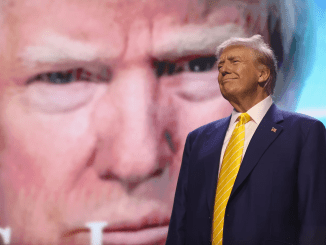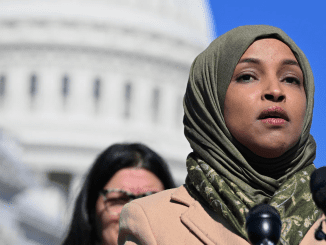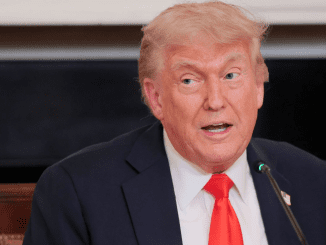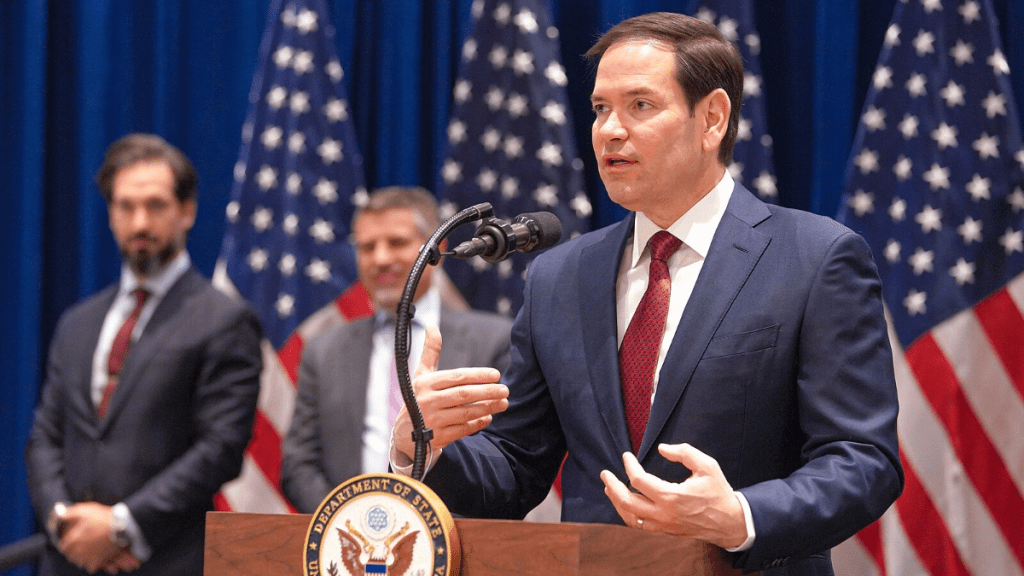
Secretary of State Marco Rubio ignited a fierce controversy on June 2, 2025, with a stark warning to visa holders: “All terrorists, their family members, and terrorist sympathizers here on a visa… we will find you, revoke your visa, and deport you.” Delivered in response to a deadly attack, reported by CBS News, Rubio’s statement aligns with President Donald Trump’s aggressive immigration policies, promising swift action against perceived threats. Yet, the broad sweep of targeting family members and sympathizers raises alarms about civil liberties, due process, and America’s global image, fueling a polarized debate.
Rubio’s remarks, echoing his March 2025 pledge to deport visa holders supporting groups like Hamas, reflect the administration’s zero-tolerance stance. The Trump administration has revoked visas for 2,300 individuals since January, including 150 student visas for protest-related activities, per The New York Times. ICE’s 149,000 arrests in 2025, a 655% spike in terrorist-related detentions, per The Washington Post, underscore the policy’s intensity. Rubio’s focus on family members aligns with Trump’s family deportation orders, citing cases like a migrant linked to a fatal crash, per Fox News. A Rasmussen poll shows 44% of Americans support such measures, bolstering Rubio’s case.
Critics, however, warn of overreach. Defining “terrorist sympathizers” remains vague, risking abuse, per a 2025 Brennan Center report. The ACLU argues that targeting family members without evidence violates due process, citing a 2018 court ruling against similar policies, per Reuters. Rep. Zoe Lofgren (D-CA) told MSNBC that Rubio’s rhetoric could chill free speech, with 54% of Americans in a Pew poll opposing blanket deportations. Incidents like Navajo citizens questioned by ICE, per NBC News, and the deportation of a U.S. citizen toddler, per AP News, highlight fears of misapplication. International allies, like Canada, with 57% disapproving of U.S. immigration tactics in a YouGov poll, see it as undermining democratic norms.
The policy’s legal footing is shaky. While the Immigration and Nationality Act allows visa revocations for security threats, courts have struck down broad punitive measures, per a 2020 9th Circuit ruling. Rubio’s call, backed by Trump’s executive orders, faces potential challenges, with 59% of legal scholars in a 2025 Stanford survey predicting judicial blocks. The administration’s 96% federal court loss rate in May, per a Stanford analysis, adds to doubts. Logistically, ICE’s strained capacity, with 4,000 excess detainees, per The New York Times, complicates enforcement.
Rubio’s defenders, including White House Press Secretary Karoline Leavitt, argue national security trumps concerns, citing a 93% drop in border crossings, per CBP data. The administration’s 52% “right track” rating, per Rasmussen, suggests public backing among conservatives, with 73% of Republicans in a Pew poll supporting deportations. Yet, critics like Sen. Chris Murphy (D-CT), quoted in The Guardian, warn that vilifying visa holders fuels xenophobia, with 62% of independents in an NBC poll favoring targeted, not sweeping, measures.
Rubio’s statement, while rallying Trump’s base, risks alienating moderates and allies. The promise to “find” and deport broad categories of visa holders evokes authoritarian overtones, clashing with America’s values, per a 2025 Pew global survey showing 54% view U.S. leadership as unreliable. As the administration doubles down, the tension between security and liberty remains unresolved, challenging the nation to balance vigilance with justice.