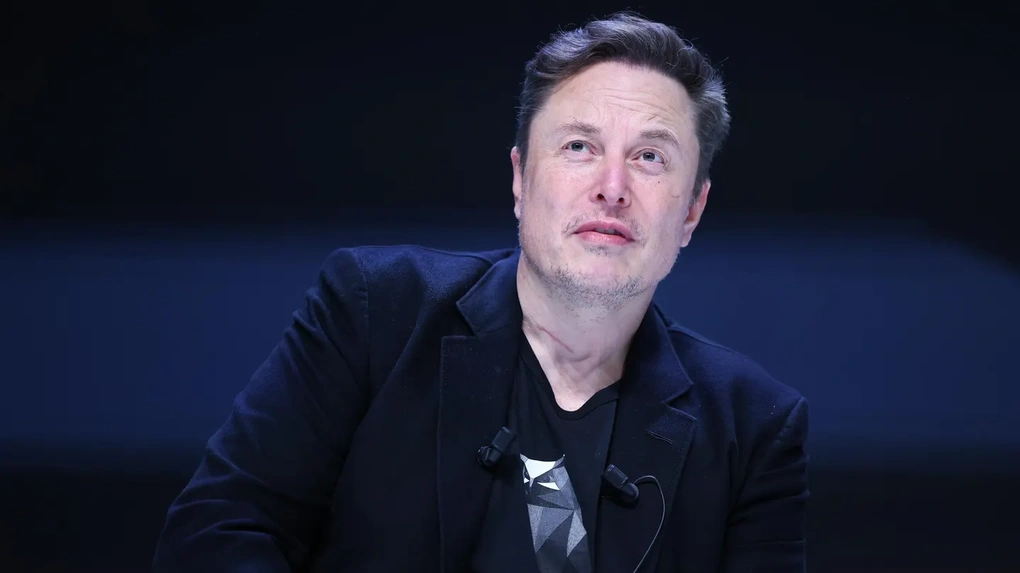
A chilling accusation has erupted on social media, alleging that Elon Musk’s brief stint as head of the Department of Government Efficiency (DOGE) was a calculated infiltration of the U.S. government to gather sensitive data for long-term influence. The claim, posted on May 30, 2025, asserts that Musk’s 130-day tenure, ending May 28, was not about streamlining bureaucracy but a covert mission to “shadow-run our nation for decades.” Labeling it “espionage” rather than efficiency, critics are demanding investigations into the billionaire’s access to federal systems, raising alarms about national security and democratic integrity.
Musk, appointed by President Donald Trump to slash $2 trillion in federal spending, claimed $500 billion in savings through DOGE, including $3.4 billion in canceled diversity contracts and the removal of 12.3 million outdated Social Security records, per a White House statement. His access to sensitive data—such as Treasury payment systems and Department of Defense contracts—has fueled suspicions. A May 2025 NPR report revealed Musk’s team reviewed $93 billion in Biden-era DOE loans, raising concerns about proprietary information reaching his companies, Tesla and SpaceX, which hold $38 billion in federal contracts, per The Washington Post.
Critics argue Musk’s actions suggest a broader agenda. His push to digitize federal systems, like the Office of Personnel Management’s retirement process, gave DOGE unprecedented access to employee and financial data, per Reuters. Rep. Ro Khanna (D-CA) warned on CNN that Musk’s X platform, acquired in 2022, could pair government data with user information to create a “surveillance empire.” A 2025 Brennan Center report noted DOGE’s attempt to access Treasury data sparked a lawsuit, with fears of misuse by Musk’s AI ventures, like xAI, which recently launched a $6 billion funding round, per TechCrunch.
The espionage charge, while unproven, taps into Musk’s polarizing influence. His $200 million 2024 election spending, including $119 million to America PAC, helped Trump win swing states, per an Americans for Tax Fairness report. His DOGE role, ending after clashing with Trump over a $4 trillion tax bill, saw chaotic cuts that disrupted Social Security and veterans’ services, with 24,000 fired workers rehired after court rulings, per CBS News. A May 2025 Pew poll shows 54% of Americans distrust billionaire political sway, amplifying fears of Musk’s motives.
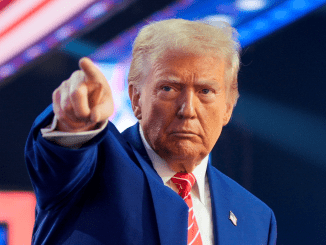
Trump’s administration dismisses the allegations as “conspiracy nonsense.” Press Secretary Karoline Leavitt told Fox News that Musk’s reforms aligned with Trump’s 52% “right track” Rasmussen rating, citing a 93% drop in border crossings. Supporters argue his data access was necessary to expose waste, like $630 million in fraudulent SBA loans, per DOGE’s website. Yet, the lack of transparency—Musk never testified before Congress, per Politico—fuels suspicion.
Proving espionage requires evidence of intent to harm national security, a high bar, per legal experts like Georgetown’s Laura Klein. Musk’s exit to focus on Tesla, down 25% in stock value, and SpaceX’s Gigabay projects suggests business priorities, not a shadow government, per Bloomberg. Still, with 57% of Americans in an NBC poll disapproving of his DOGE role, calls for probes by Sen. Elizabeth Warren and others underscore a nation wary of billionaire overreach.