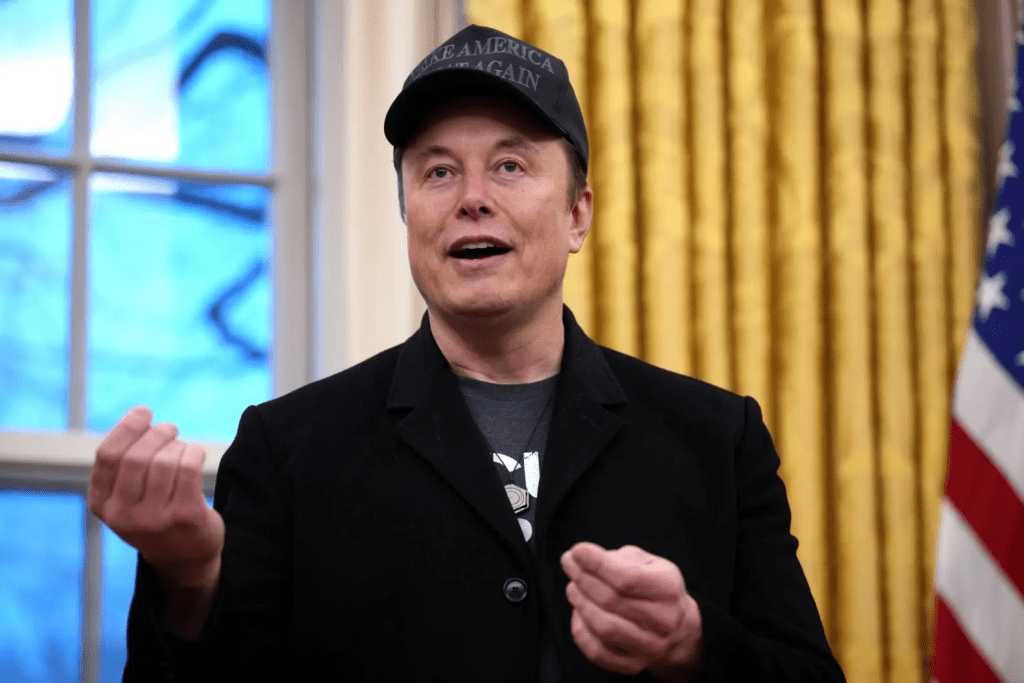
The unexpected resignation of Elon Musk from his role as a special government employee leading the Department of Government Efficiency (DOGE) has elicited a rare sentiment of sadness from some Americans, with one observer noting on May 29, 2025, “I didn’t think I’d ever say that about a government employee. Ever.” Musk’s exit, announced after a tumultuous four-month tenure, marks the end of a high-profile experiment to slash federal spending, leaving supporters nostalgic for his disruptive energy and critics questioning the lasting impact of his reforms.
Musk, appointed by President Donald Trump to overhaul federal bureaucracy, departed on May 28, citing the end of his 130-day term as a special government employee. His tenure saw DOGE eliminate $175 billion in spending, including $3.4 billion in diversity contracts and 12.3 million outdated Social Security records, per a Fox News report. Supporters credit Musk with exposing waste, such as $93 billion in questionable Biden-era DOE loans, and embedding efficiency across agencies. The White House emphasized that DOGE, now operating in nearly every federal department, will continue under new leadership, with Musk advising informally.
The sadness expressed by some reflects Musk’s unique status as a billionaire disruptor who brought private-sector bravado to government. His aggressive cuts, including 1,600 layoffs at USAID and the termination of programs like Direct File, resonated with those frustrated by bureaucracy, as evidenced by Trump’s 52% “right track” rating in a May Rasmussen poll. Musk’s unorthodox tactics—weekly “What did you accomplish?” emails to federal workers and targeting tech initiatives like 18F—earned praise for shaking up Washington, even if results were mixed.
Critics, however, argue Musk’s tenure caused chaos. The Guardian reported that his cuts led to longer wait times at veterans’ hospitals and Social Security offices, with inexperienced staff replacing seasoned employees. Federal judges blocked some mass firings, and mistakes, like dismissing U.S. nuclear program staff, required rehiring. A Brennan Center analysis noted minimal savings relative to the $2 trillion goal, with service disruptions outweighing gains. Democrats, like Rep. Jamie Raskin, called DOGE a “wrecking ball,” accusing Musk of prioritizing spectacle over governance.
Musk’s departure, timed with his 130-day limit, also followed friction with Trump over a “massive spending bill” that Musk criticized for undermining DOGE’s mission, per CBS News. His focus shifting to Tesla and SpaceX, amid a 20% stock drop, suggests business pressures played a role. The White House insists Musk left on good terms, but Trump’s silence on the exit hints at strained relations.
The emotional response to Musk’s departure underscores his polarizing legacy. For some, he was a visionary who challenged a bloated system; for others, a reckless outsider whose cuts harmed vulnerable Americans. As DOGE continues without him, the debate over his impact—heroic or haphazard—will shape perceptions of Trump’s efficiency agenda.