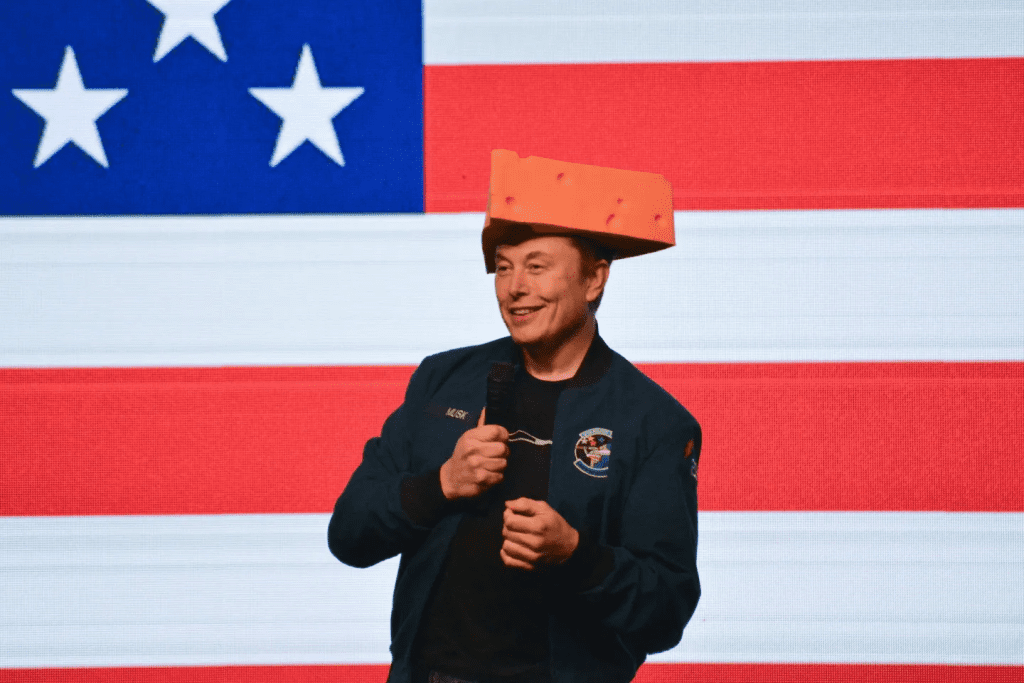
Philadelphia, PA – A proposed federal class action lawsuit filed on May 8, 2025, in Philadelphia federal court accuses tech billionaire Elon Musk’s America PAC of failing to deliver promised $100 payments to voters in seven swing states who signed a petition supporting constitutional values during the 2024 U.S. presidential election. The complaint, brought by three plaintiffs from Pennsylvania, Nevada, and Georgia, alleges the PAC reneged on its commitments after President Donald Trump’s victory over Vice President Kamala Harris, potentially affecting hundreds or thousands of participants. The suit casts a harsh light on Musk’s controversial role in the election, raising questions about legality and ethics.
The America PAC, funded by Musk’s estimated $300 million to boost Republican candidates, offered $47, later raised to $100, for signing a petition endorsing First and Second Amendment rights. The campaign, targeting battleground states like Pennsylvania and Georgia, also included referral bonuses and daily $1 million lottery giveaways, drawing significant attention. The plaintiffs, represented by Lichten & Liss-Riordan, claim these promises created a contractual obligation that went unfulfilled for many, with unpaid sums potentially exceeding $5 million. “This is about a broken promise,” said attorney Shannon Liss-Riordan. “Voters trusted Musk’s word and were left empty-handed.”
Legal experts warn the PAC’s actions may violate federal election laws by incentivizing political participation, prompting scrutiny from the Department of Justice and Federal Election Commission. The shift from $47 to $100 payments, the lottery’s timing, and the focus on swing states suggest a calculated effort to sway voters, critics argue. The Center for American Progress called it a “dangerous precedent” for voter manipulation. A separate class action lawsuit alleges the $1 million lottery was fraudulent, further complicating Musk’s legal battles.
America PAC insists it disbursed “tens of millions” to participants, claiming any payment issues were isolated. However, the lawsuit paints a broader picture of deception, echoing allegations from 2,000 former Twitter employees suing Musk over unpaid severance after his 2022 acquisition of the platform. The pattern, critics say, reveals Musk’s tendency to make grand promises—whether for political or corporate gain—only to fall short on delivery.
Musk’s political influence, amplified by his role as co-head of Trump’s Department of Government Efficiency (DOGE), adds fuel to the controversy. DOGE’s deregulation efforts have benefited Musk’s businesses, like Tesla and SpaceX, prompting ethics concerns. At an October 2024 pro-Trump town hall in Harrisburg, Musk dismissed criticism of the voter payments as “kind of fun.” Yet, with potential damages exceeding $100 million if courts find contractual or election law violations, the financial and reputational stakes are high.
Democrats, including Sen. Elizabeth Warren, have called for investigations into Musk’s “electoral manipulation,” while Republicans remain cautious, wary of defending a figure whose actions may alienate moderates. Civil rights groups warn that paying for political engagement risks eroding democratic trust. As the 2026 midterms loom, the lawsuit’s outcome could reshape campaign finance rules and challenge the role of billionaires in politics.