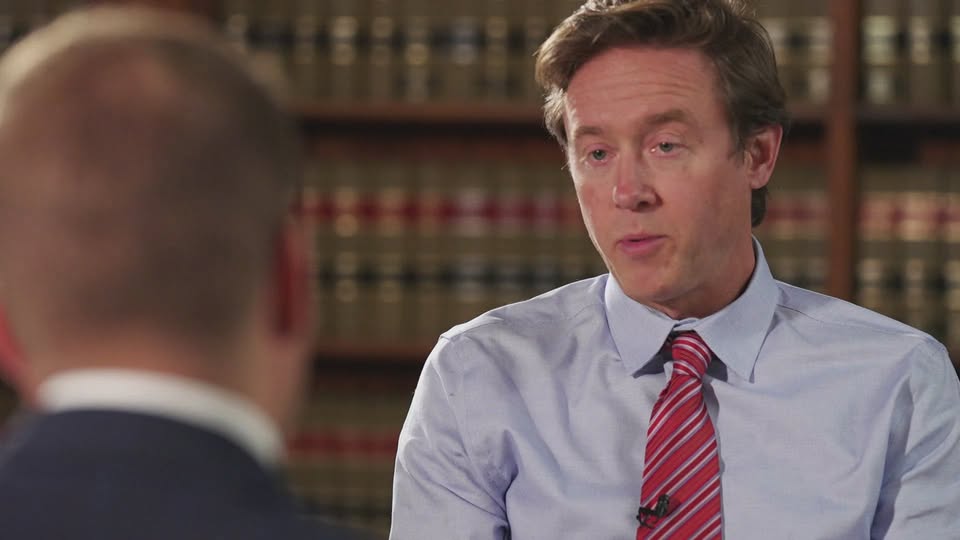
Denver, CO – A CBS Colorado investigation has uncovered that Denver Mayor Mike Johnston and 14 of his top advisors and appointees used an encrypted messaging app, Signal, to discuss the city’s migrant crisis, with messages set to auto-delete, raising serious questions about transparency. The report, aired on May 13, 2025, alleges that Johnston’s administration deliberately evaded Colorado’s public records laws, prompting outrage from open records advocates and fueling tensions with the Trump administration.
The investigation revealed that on January 14, 2025, Johnston convened a “Strike Force Introduction” meeting, followed by a directive from his Director of Strategic Initiatives, Joshua Posner, to use Signal for encrypted, auto-deleting communications. “We are going to use Signal to communicate with Strike Force so that communication remains encrypted and secure (and messages auto delete),” Posner texted staff, providing a link to download the app. A second group, “Media Monitoring,” had been auto-deleting messages since fall 2023, only stopping in January 2025, further deepening the controversy.
Johnston’s spokesperson, Jordan Fuja, defended the move, stating it was a response to President Trump’s immigration policies and their potential impact on Denver. “When President Trump took office in January, it was clear that there would be rapidly developing changes to the way the federal government interacts with cities,” Fuja said, suggesting the app was used for information sharing, not decision-making. However, open records advocates sharply disagree. Jeff Roberts of the Colorado Freedom of Information Coalition called it an “intentional effort to undermine Colorado’s open records law,” while attorney Steven Zansberg labeled it “unlawful,” arguing it deprives Coloradans of their right to observe public business.
The timing of the Signal use is particularly contentious. It began three weeks after America First Legal, a Trump-affiliated group, filed records requests in December 2024 seeking communications related to Denver’s migrant crisis, which has seen over 42,000 arrivals since 2022. The group accused Johnston of concealing information, with a statement on X claiming, “It’s no coincidence” that the mayor’s team turned to Signal to make messages “harder to access.” This follows Johnston’s testimony before the House Oversight Committee in March, where he defended Denver’s policies but faced threats of legal action over the city’s refusal to fully cooperate with ICE.
Johnston has maintained that Denver is not a sanctuary city, emphasizing compliance with federal law while avoiding non-criminal immigration enforcement. Yet, his administration’s actions have drawn scrutiny. The city spent $350 million on migrant services, and Johnston’s resistance to Trump’s deportation plans—including a vow to protect schools and churches—has led to a DOJ lawsuit against Denver and Colorado, filed on May 9, 2025, alleging “sanctuary” policies violate federal law. Despite this, Johnston told Axios Denver on May 4, “There is no law that Denver has broken,” insisting the city won’t be “bullied.”
The use of Signal isn’t new in Colorado politics—state lawmakers settled a 2023 lawsuit over similar practices—but Johnston’s case has reignited the debate over transparency. Critics argue that auto-deleting messages, even if later stopped, erodes public trust, especially amid a migrant crisis that has strained city resources. Denver Police Chief Ron Thomas and Safety Manager Armando Saldate notably declined to join the Signal group, while others, like Sheriff Elias Diggins, complied, highlighting internal divisions.
Johnston’s claim of transparency—“We’re deeply committed to it,” he told CBS Colorado on April 4—rings hollow to many. The scandal risks further alienating a public already frustrated by immigration challenges and federal-state tensions. As Denver navigates this legal and political storm, the mayor’s actions may set a precedent for how cities balance transparency with strategic communication in an era of heightened scrutiny.