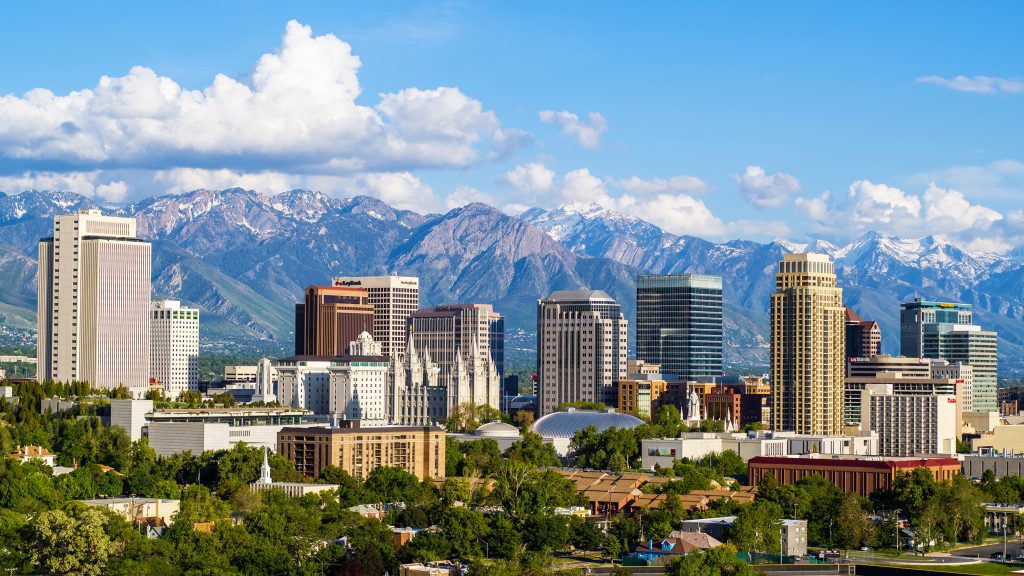
Salt Lake City, May 10, 2025 — In a defiant move against a new Utah state law, Salt Lake City has adopted three new official city flags representing the LGBTQ+ community and Juneteenth, effectively bypassing a ban on “unsanctioned” flags at government buildings. The decision, made just before the law took effect, has sparked both celebration and criticism, highlighting the growing rift between the progressive city and Utah’s conservative state leadership.
On May 6, Mayor Erin Mendenhall proposed the new flags, which were unanimously approved by the City Council that evening. The Sego Belonging Flag features the rainbow colors of the Pride flag, the Sego Visibility Flag mirrors the transgender Pride flag’s blue, pink, and white, and the Sego Celebration Flag uses red, blue, and white to honor Juneteenth—all incorporating the city’s sego lily emblem. The timing was strategic: Utah’s House Bill 77 (HB77), which took effect on May 7, bans unapproved flags at public schools, universities, and government buildings, with a $500 daily fine for violations. The law allows only specific flags, like the U.S. and Utah state flags, but includes an exemption for city flags.
Salt Lake City, a liberal stronghold in conservative Utah, has long flown Pride flags during June’s Pride Month. By making these flags official, the city ensures they can still be displayed legally. “I want all Salt Lakers to look up at these flags and be reminded that we are united as a city and people,” Mendenhall said. Council Chair Chris Wharton, part of the council’s LGBTQ+ majority, added that the flags “reflect our shared humanity and the values that help everyone feel they belong.” Project Rainbow, a Utah-based LGBTQ+ advocacy group, praised the city for “standing up for LGBTQ+ Utahns and pushing back against legislation aimed at erasing our community.”
HB77, passed by Utah’s Republican-led Legislature in March, was widely seen as targeting LGBTQ+ flags, though it doesn’t name them explicitly. Sponsors like Rep. Trevor Lee (R-Layton) argued it ensures “political neutrality” in public spaces. Governor Spencer Cox allowed the bill to become law without his signature, expressing concerns over its scope but noting a veto would likely be overridden. Critics, including Equality Utah, argue the law violates free speech and local control, potentially inviting lawsuits.
State Republican leaders were quick to criticize the city’s workaround. House Speaker Mike Schultz called it a “clear waste of time and taxpayer resources,” insisting government spaces should remain “neutral and welcoming to all.” Senate President Stuart Adams echoed this, saying the city was neglecting “real pressing community needs.” Senator Dan McCay mocked the decision on X, posting montages of other flags, including MAGA symbols, sarcastically praising the city’s “inclusivity.” On X, opinions were split:
@DCHomos lauded the city’s “petty” yet clever response, while
@ProudElephantUS called it “insane” and “demonic,” accusing the city of pushing a “woke” agenda.
This isn’t the first such workaround. Boise, Idaho, adopted the Pride flag as a city emblem in April 2025 to counter a similar state law. But Salt Lake City’s move may escalate tensions with Utah’s Legislature, which could revisit the law next session. The city’s legal team believes the flags are protected under the First Amendment, yet the broader cultural clash remains unresolved. HB77’s selective ban—permitting military or Olympic flags but not those tied to identity—reveals an ideological bias, despite claims of neutrality.
The decision comes amid broader cultural shifts in Utah. The Sundance Film Festival’s recent move to Boulder, Colorado, was partly attributed to the state’s increasingly hostile climate for progressive values, including the flag ban. For now, Salt Lake City’s new flags stand as a symbol of resistance, but they also underscore the ongoing struggle between local autonomy and state control in a deeply divided political landscape.