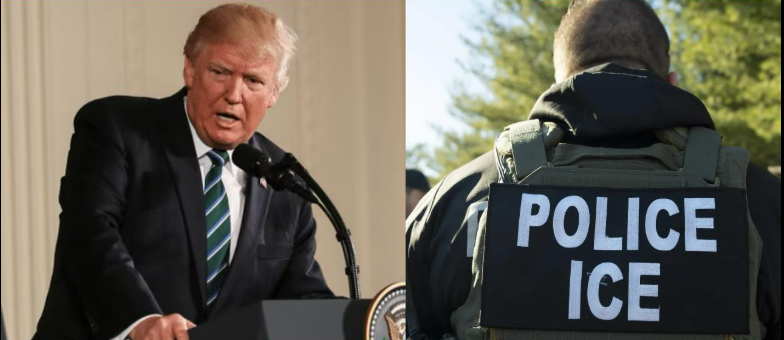
Washington, D.C., May 8, 2025 — Former President Donald Trump’s latest immigration policy has ignited a firestorm of controversy after reports surfaced that his administration planned to deport undocumented migrants to Libya, a nation notorious for its human rights abuses. The plan, which emerged earlier this week, has drawn sharp criticism from rights groups, legal experts, and even Libyan officials, while Trump’s response to the issue has only fueled the outrage.
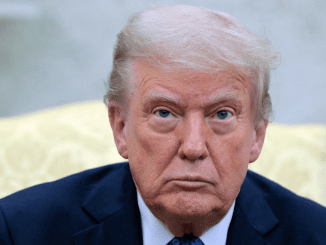
During a press conference on May 7, a reporter asked Trump if his administration was indeed sending migrants to Libya. His reply was staggering: “I don’t know. You’ll have to ask Homeland Security.” The admission stunned observers, prompting immediate backlash. Critics argue that the President’s apparent ignorance of a major policy decision under his administration is not only irresponsible but also dangerous. “He’s the President—he should know,” said Maria Alvarez, an immigration advocate with the Center for Human Rights. “This isn’t just a lack of leadership; it’s a reckless abdication of duty.”
The policy in question involves deporting migrants, including those from countries like the Philippines, Vietnam, and Laos, to Libya—a war-torn nation that has become a hub for human trafficking and migrant detention. Reports indicate that the U.S. had scheduled military C-17 flights to transport migrants as early as May 7, but a last-minute court ruling halted the operation. Federal Judge Brian Murphy issued an injunction, citing a violation of due process and international law. The ruling reaffirmed that deporting migrants to a third country like Libya, where they face risks of torture and abuse, contravenes the U.S.’s obligations under the Convention Against Torture.
Libya’s conditions for migrants are dire. The United Nations has documented widespread abuses in Libyan detention centers, including torture, sexual violence, and forced labor. Both of Libya’s rival governments—the U.N.-recognized administration in Tripoli and General Khalifa Haftar’s forces in the east—have publicly rejected the U.S. plan. “Libya will not be a dumping ground for America’s migrants,” Prime Minister Abdul Hamid Dbeibeh posted on social media, echoing a rare point of agreement between the factions.
The Department of Homeland Security (DHS) has remained evasive. When pressed for details, DHS Secretary Kristi Noem stated, “I cannot confirm those reports at this time.” The lack of clarity from both Trump and his administration has only deepened concerns about transparency and accountability. Since taking office in January 2025, Trump has intensified immigration enforcement, deporting 152,000 individuals as of this week, according to DHS figures. His administration has also explored sending migrants to other nations like Angola and Benin, signaling a broader strategy to deter migration through harsh measures.
Human rights organizations have condemned the Libya plan as both unethical and illegal. “This is a blatant violation of international law,” said Sarah Mahmoud of Amnesty International. “Libya is a hellscape for migrants—sending anyone there is tantamount to endorsing their abuse.” Legal challenges are mounting, with advocacy groups filing emergency motions to block further deportation attempts.
Trump’s critics argue that his “I don’t know” remark exemplifies a broader pattern of disengagement. “Every time he shrugs off responsibility, he proves he’s not in control,” said Alvarez. “If the President isn’t making these decisions, who is?” The question has sparked speculation about internal dysfunction within the administration, with some pointing to influential figures like Stephen Miller, a known hardliner on immigration, as a possible architect of the policy.
As the legal battle unfolds, the halted deportations to Libya remain a flashpoint in the ongoing debate over U.S. immigration policy. For now, the migrants targeted for deportation have been granted a reprieve, but advocates warn that the fight is far from over. “This isn’t just about Libya,” Mahmoud said. “It’s about the precedent this sets for how we treat the most vulnerable among us.”
The controversy underscores a deepening divide over immigration in America, with Trump’s hardline stance galvanizing both his supporters and detractors. As the 2025 midterm elections approach, the fallout from this policy could reshape the political landscape, leaving one question unanswered: If the President doesn’t know who’s running the show, who does?