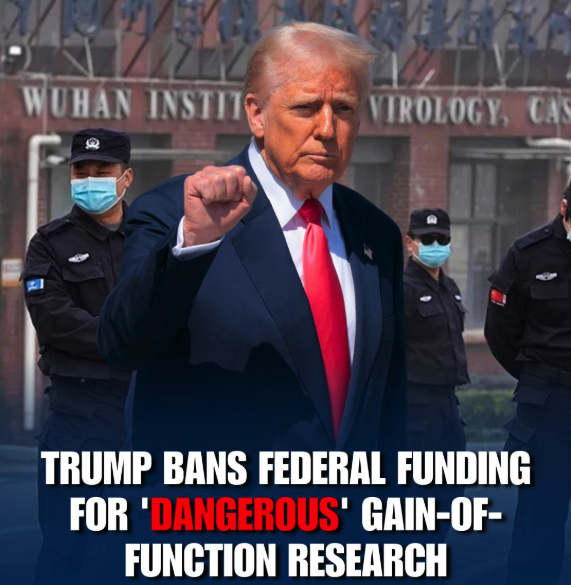
On May 5, 2025, President Donald J. Trump signed a significant executive order that bans all federal funding for gain-of-function (GoF) research in countries deemed to have insufficient oversight, such as China and Iran. This policy also halts domestic research involving infectious pathogens and toxins that could pose a danger to public safety until a more secure and transparent framework is established.
Gain-of-function research involves manipulating pathogens to enhance their transmissibility or virulence, aiming to better understand potential pandemic threats. While some scientists argue that such research is essential for pandemic preparedness, others express concerns about the risks of accidental release and the ethical implications of creating more dangerous pathogens.
The executive order reflects the Trump administration’s stance that the COVID-19 pandemic may have originated from a lab leak in Wuhan, China, where U.S.-funded GoF research was conducted. This perspective has led to increased scrutiny of international collaborations and the role of organizations like EcoHealth Alliance, which previously received federal grants for research at the Wuhan Institute of Virology.
Critics of the executive order argue that a blanket ban on GoF research could hinder scientific progress and the development of countermeasures against emerging diseases. They advocate for stringent oversight rather than outright prohibition.
Proponents, however, contend that the potential risks outweigh the benefits, emphasizing the need to prevent future pandemics originating from laboratory incidents. They support the administration’s efforts to enforce stricter controls and reevaluate funding priorities to ensure public safety.
This executive order signifies a pivotal shift in U.S. policy on high-risk biological research, prioritizing biosecurity and national health interests. It underscores the ongoing debate between scientific advancement and safety, highlighting the complexities of conducting research in a globally interconnected landscape.