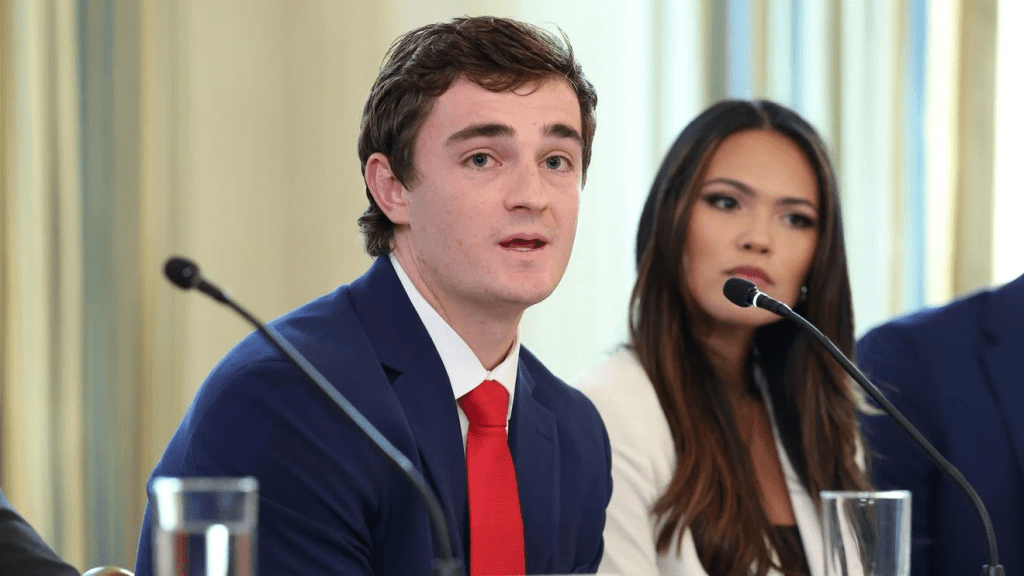
Nick Shirley, an independent journalist and citizen investigator, has thrust himself into the national spotlight with a series of explosive reports exposing alleged corruption in Minnesota’s welfare and Medicaid programs. His investigations, centered in the Twin Cities, have uncovered hundreds of sham businesses—many operating out of a single former linen factory—that collectively billed taxpayers nearly $400 million for nonexistent childcare and autism services. Shirley’s footage and documents show how shell companies exploited federal funds, with each fake entity averaging roughly $1 million in fraudulent billing annually.
The revelations have fueled outrage among conservatives, who praise Shirley for shining light on what they call systemic abuse enabled by lax state oversight. They argue his work has forced accountability, prompting federal grand jury subpoenas for Governor Tim Walz, Mayor Jacob Frey, and other officials. Supporters view Shirley as a whistleblower exposing billions in waste tied to immigrant-linked fraud networks, especially in Minnesota’s large Somali-American community.
Critics, however, question Shirley’s methods and motives. Some accuse him of selective framing and pushing a partisan narrative that unfairly targets minority communities. Immigrant advocates and progressive groups warn his reporting risks inciting hostility and oversimplifies complex issues, while legal experts note that fraud cases involve individuals, not entire populations. Shirley has faced backlash, including threats and accusations of bias, but insists his focus is on protecting taxpayers.
As federal investigations deepen and deportations accelerate under the Trump administration, Shirley’s work has become a lightning rod. Whether he is a courageous truth-teller or a divisive agitator depends on one’s perspective. What is clear is that his exposés have intensified scrutiny on Minnesota’s governance and fueled a broader national conversation about fraud, accountability, and trust in public institutions.