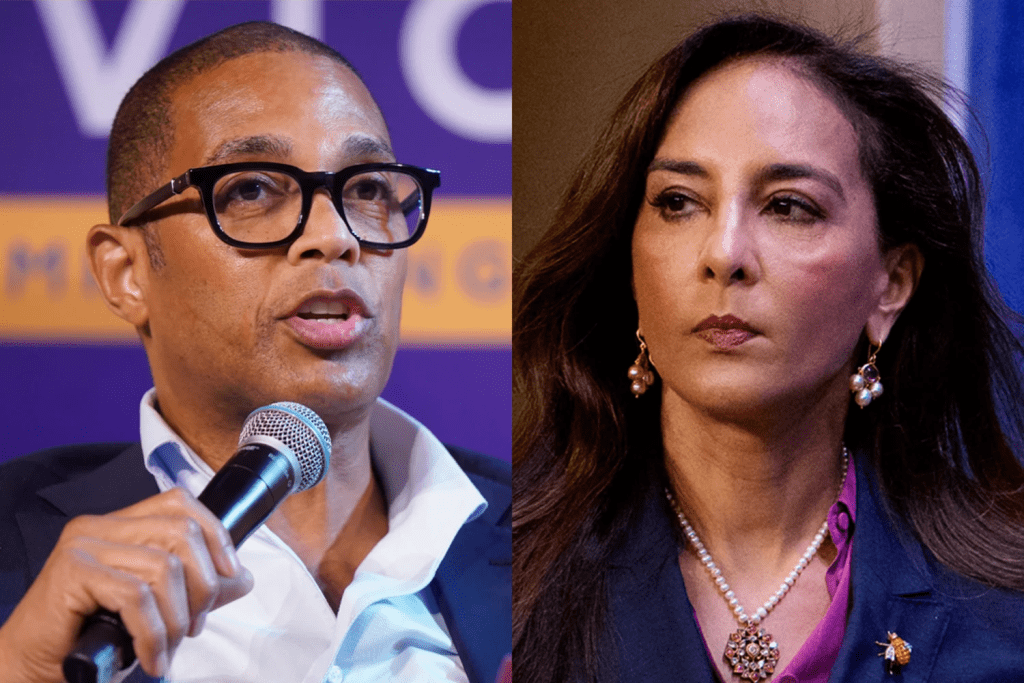
In a heated escalation, Assistant Attorney General Harmeet Dhillon has signaled that the Department of Justice may pursue charges against former CNN anchor Don Lemon under the Enforcement Act of 1871, commonly known as the Ku Klux Klan Act. During a January 19, 2026, appearance on a conservative podcast, Dhillon accused Lemon of participating in an anti-ICE protest that disrupted a church service in St. Paul, Minnesota, potentially violating civil rights laws designed to protect against intimidation and interference with religious freedom.
The incident occurred at Cities Church, where protesters stormed the building to demonstrate against a pastor’s alleged ties to immigration enforcement. Lemon, now an independent journalist, was on site covering the event live, entering the church with demonstrators. Dhillon described the protest as terrorizing families and children, vowing to invoke the historic Ku Klux Klan Act, which prohibits conspiracies to deprive citizens of constitutional rights. She did not specify charges against Lemon but placed him “on notice” for his involvement, suggesting the law could apply to those conspiring to violate protected freedoms.
Lemon swiftly responded, calling the threats “absurd” and “un-American,” insisting he was simply reporting on a public demonstration. Civil rights advocates have decried Dhillon’s statements as an attack on press freedom, warning that using Reconstruction-era laws against journalists sets a dangerous precedent. The Ku Klux Klan Act, enacted to combat post-Civil War violence, has been used in modern cases against hate groups but rarely against media figures.
The DOJ has not filed formal charges, and legal experts doubt the viability, noting the high bar for proving conspiracy. This development underscores tensions between the Trump administration’s hardline stance on protests and First Amendment protections, amid broader immigration enforcement crackdowns. As investigations continue, the case could test the limits of civil rights enforcement in a polarized era.